
All Projects
جميع المشاريع

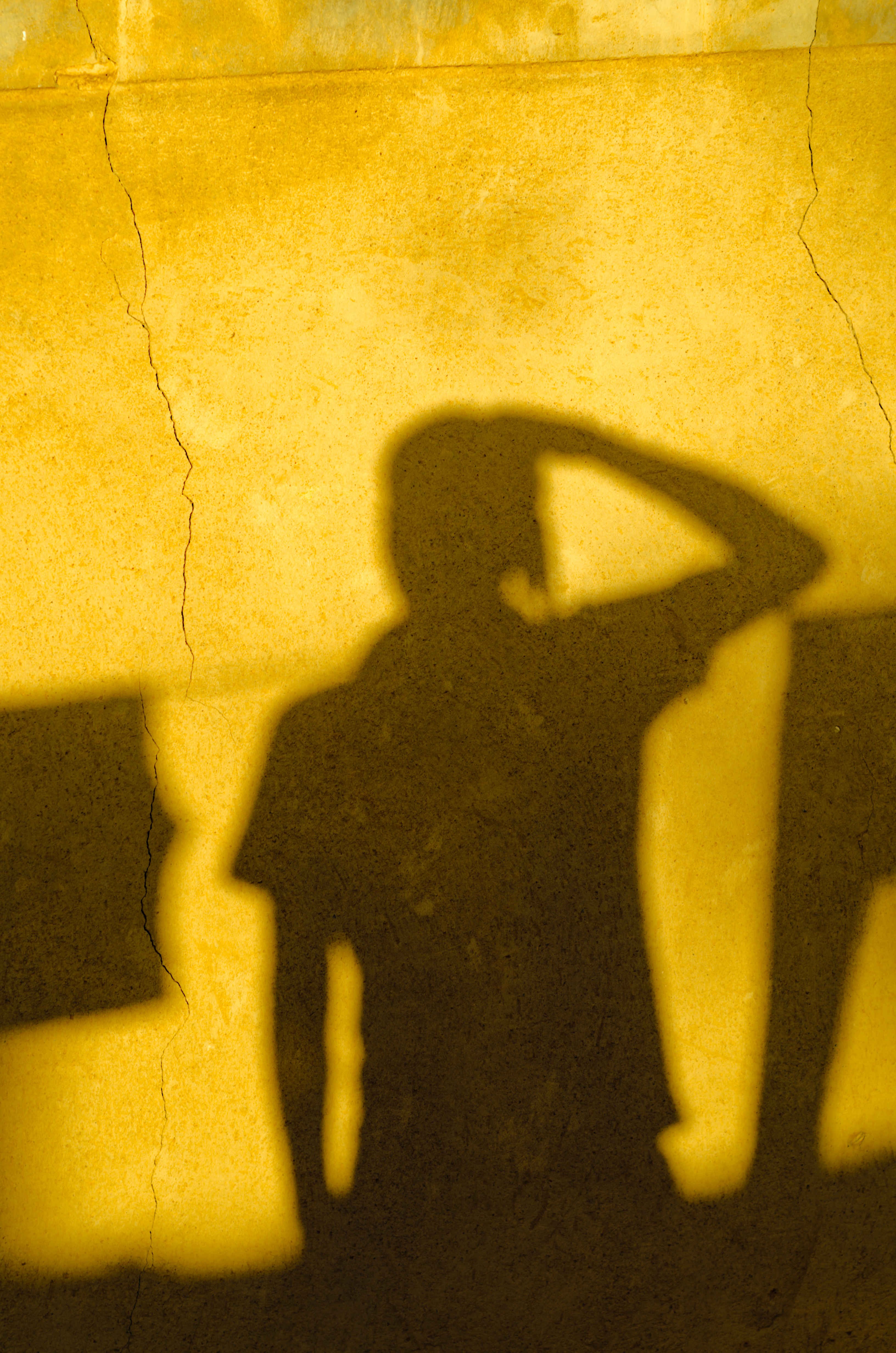
When the war started, my mother woke me early, her voice shaking. I asked, "Is it a military coup?" She said, "No. It's worse. It's war." Soon we heard gunfire close to our neighborhood in Khartoum. The nights became heavier each day. After a few days, we left, believing we would return soon. Something deep in me was telling me it was the last time I would be in my home.
We went to Berber, my mother's hometown, a place I had always known through family and warmth. Our family welcomed us on the street with water, sweets, and joy. That warmth eased those feelings for a moment. My mother worked hard to make the house feel like home for all of us. Watching her, I began to understand that home is not only a place. It is what people do for each other.
We planted a tree when we arrived. The war continued, and the tree kept growing. I watched its leaves change and realized I was measuring time through it. In the middle of so much ugliness, something quiet and beautiful was growing, in the yard, and inside each of us.
After two years, I returned to Khartoum. I stood at the door of what used to be home. The apartment was still there, but inside almost everything was gone. Before traveling back, my mother gave me a list of things to bring with me. The list included her Tobe dresses, her oven, tea cups saved for special moments that never came, her favorite bed sheets, and my sisters' drawings. The leftovers were things of no value to those who took everything else.
Among the rubble, I found a family photograph. No one was looking at the camera. Everyone had their heads down. To me, it felt as if they were ashamed of the current situation we had reached.
Visiting what used to be home raises more questions than it answers. What remains is neither a full return nor a complete departure, but a state of ongoing displacement.
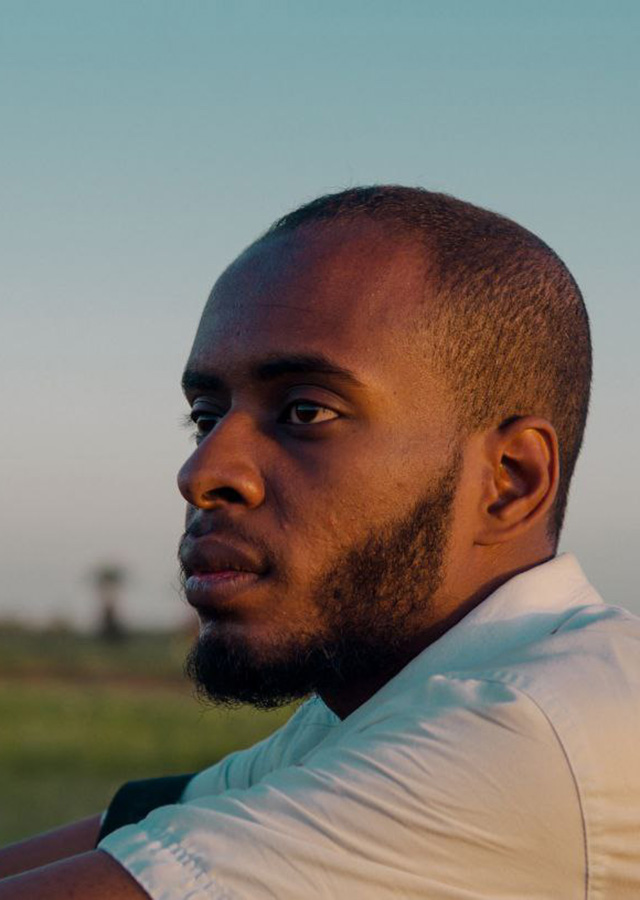
Hassan Kamil is a Sudanese photographer and filmmaker whose work explores memory, displacement, and the relationship between personal history and place. Working across photography, video, and archival research, he develops long-term projects that reflect how social and political change shapes everyday life.
His recent work has been shaped by his displacement during the war in Sudan in 2023. His ongoing project An Unexpected Tale from a No Longer Forgotten City reflects on family memory, absence, and the experience of rebuilding life in a familiar place marked by loss.
Hassan has also dedicated years to researching and supporting the preservation of the archive of Sudanese photographer Rashid Mahdi, engaging with questions of visual heritage and collective memory. He studied photojournalism at the Danish School of Media and Journalism (DMJX). His work has been published and exhibited internationally. He is the recipient of the East African Photography Award 2024 and a participant in the Arab Documentary Photography Program.
Hassan Kamil is a Sudanese photographer and filmmaker whose work explores memory, displacement, and the relationship between personal history and place. Working across photography, video, and archival research, he develops long-term projects that reflect how social and political change shapes everyday life.
His recent work has been shaped by his displacement during the war in Sudan in 2023. His ongoing project An Unexpected Tale from a No Longer Forgotten City reflects on family memory, absence, and the experience of rebuilding life in a familiar place marked by loss.
Hassan has also dedicated years to researching and supporting the preservation of the archive of Sudanese photographer Rashid Mahdi, engaging with questions of visual heritage and collective memory. He studied photojournalism at the Danish School of Media and Journalism (DMJX). His work has been published and exhibited internationally. He is the recipient of the East African Photography Award 2024 and a participant in the Arab Documentary Photography Program.

