All Projects
جميع المشاريع

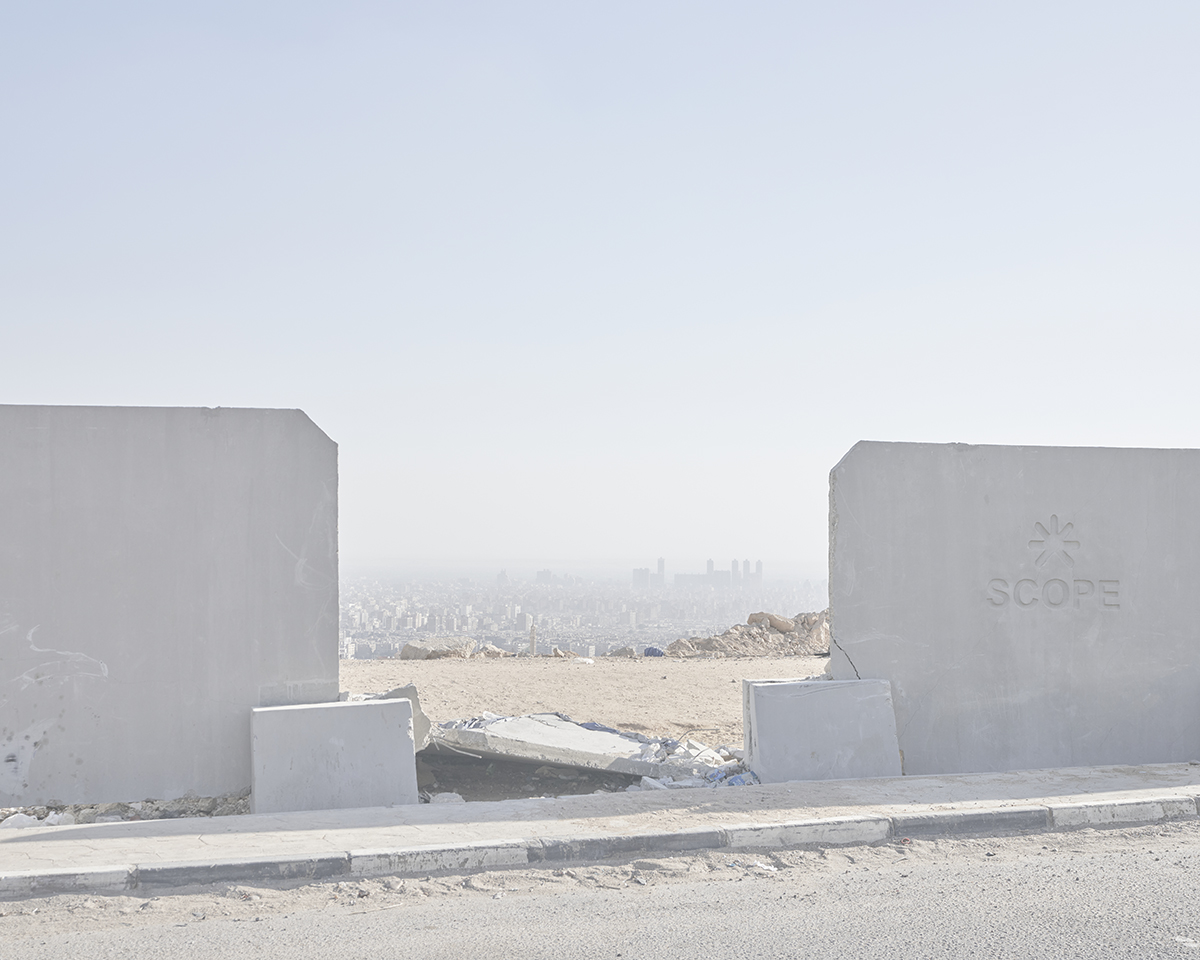
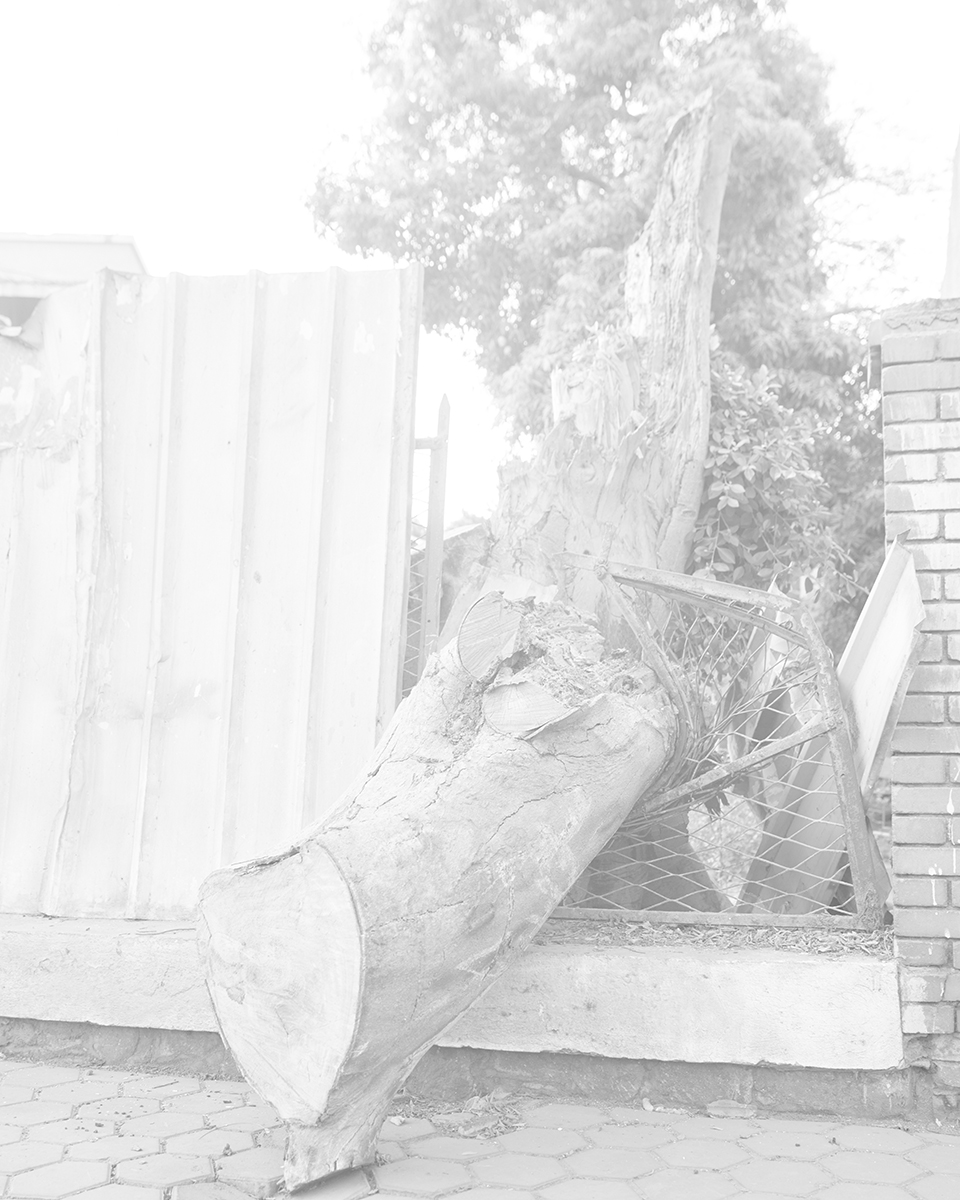
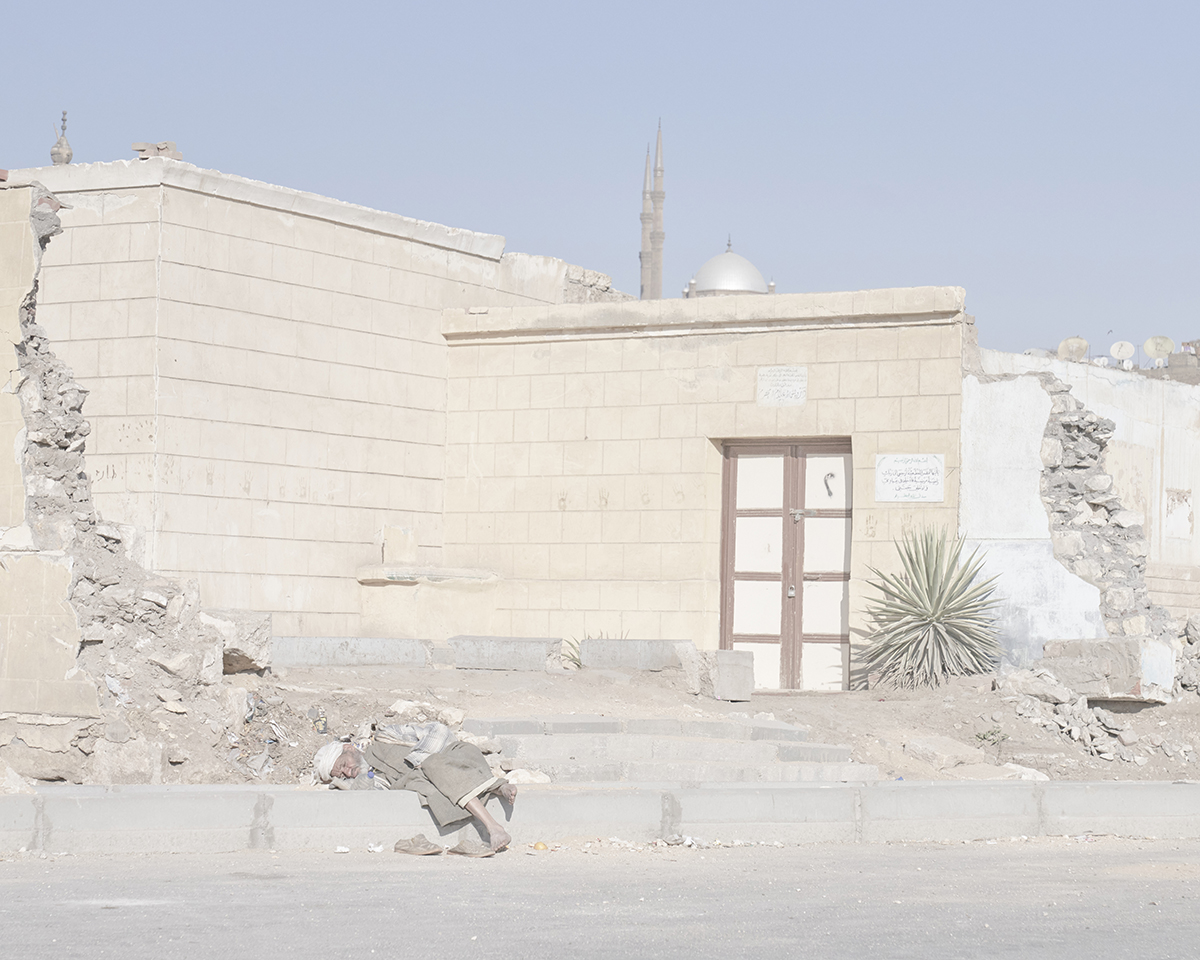
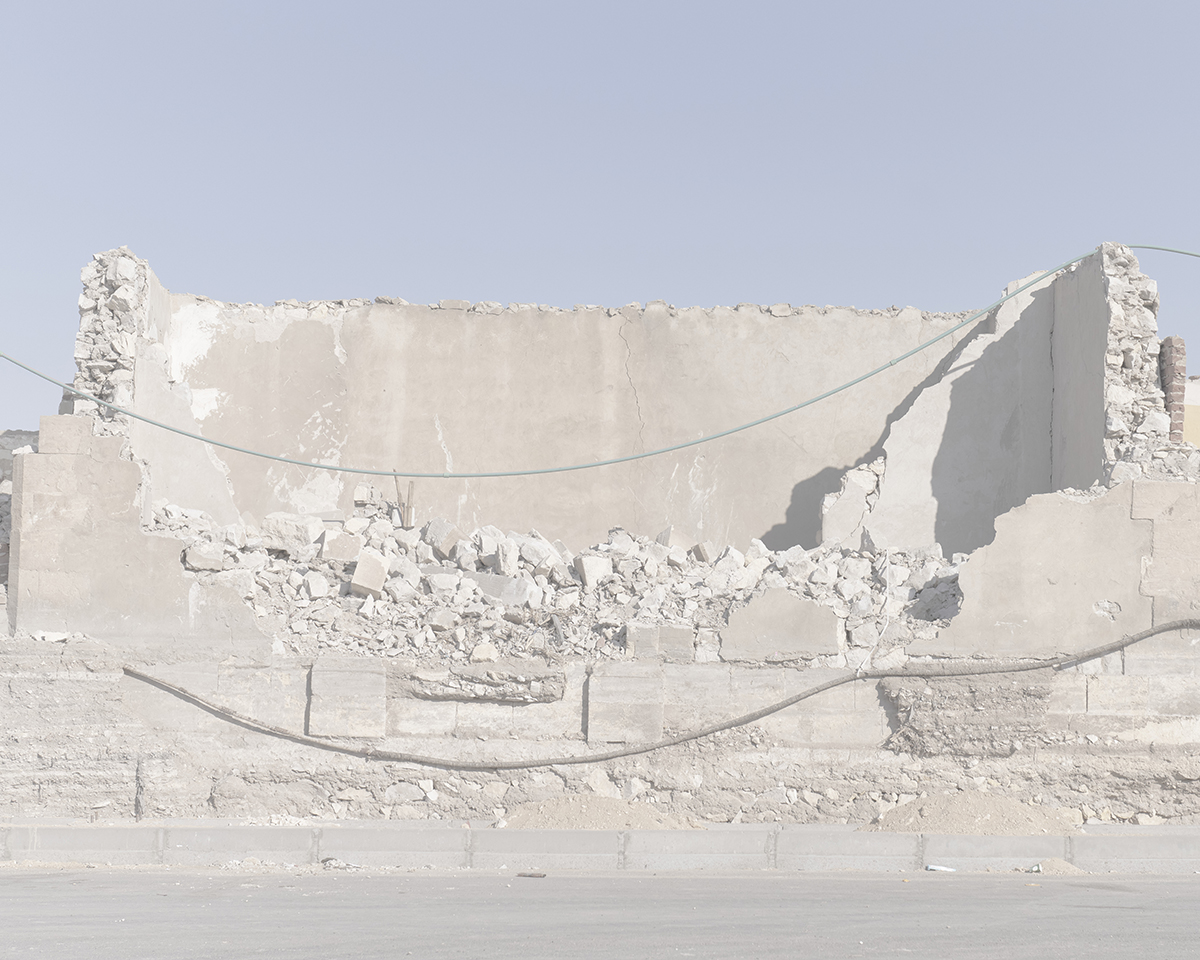
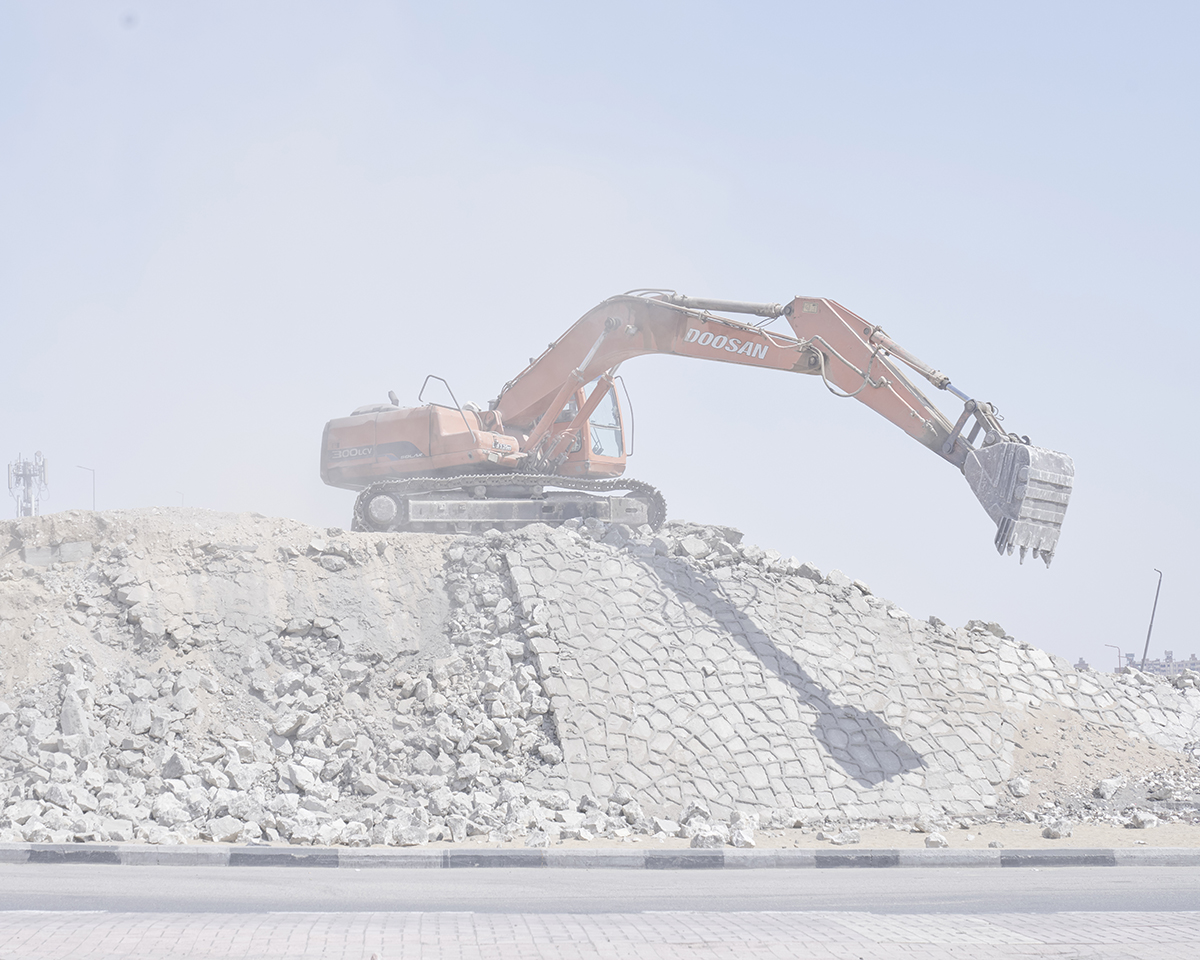
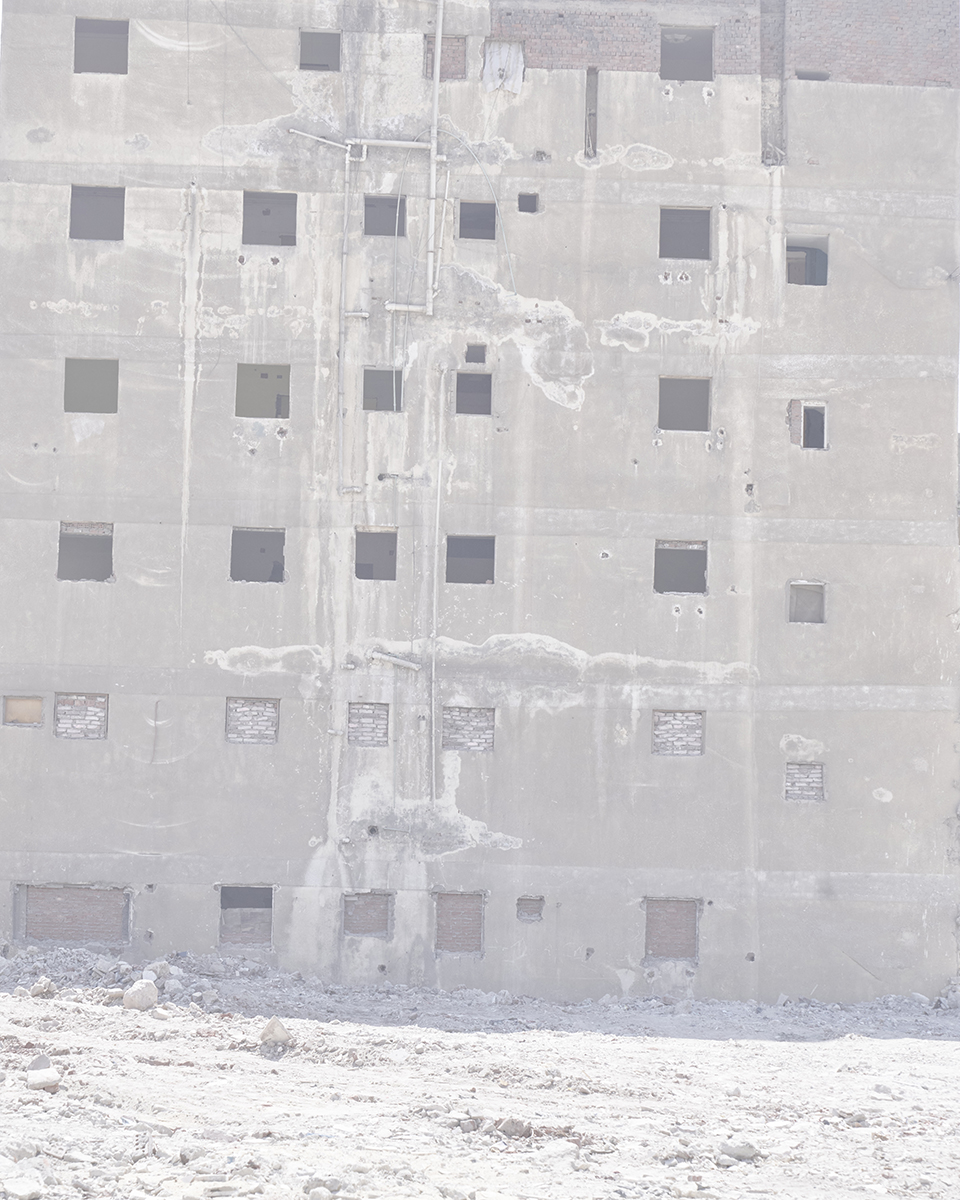
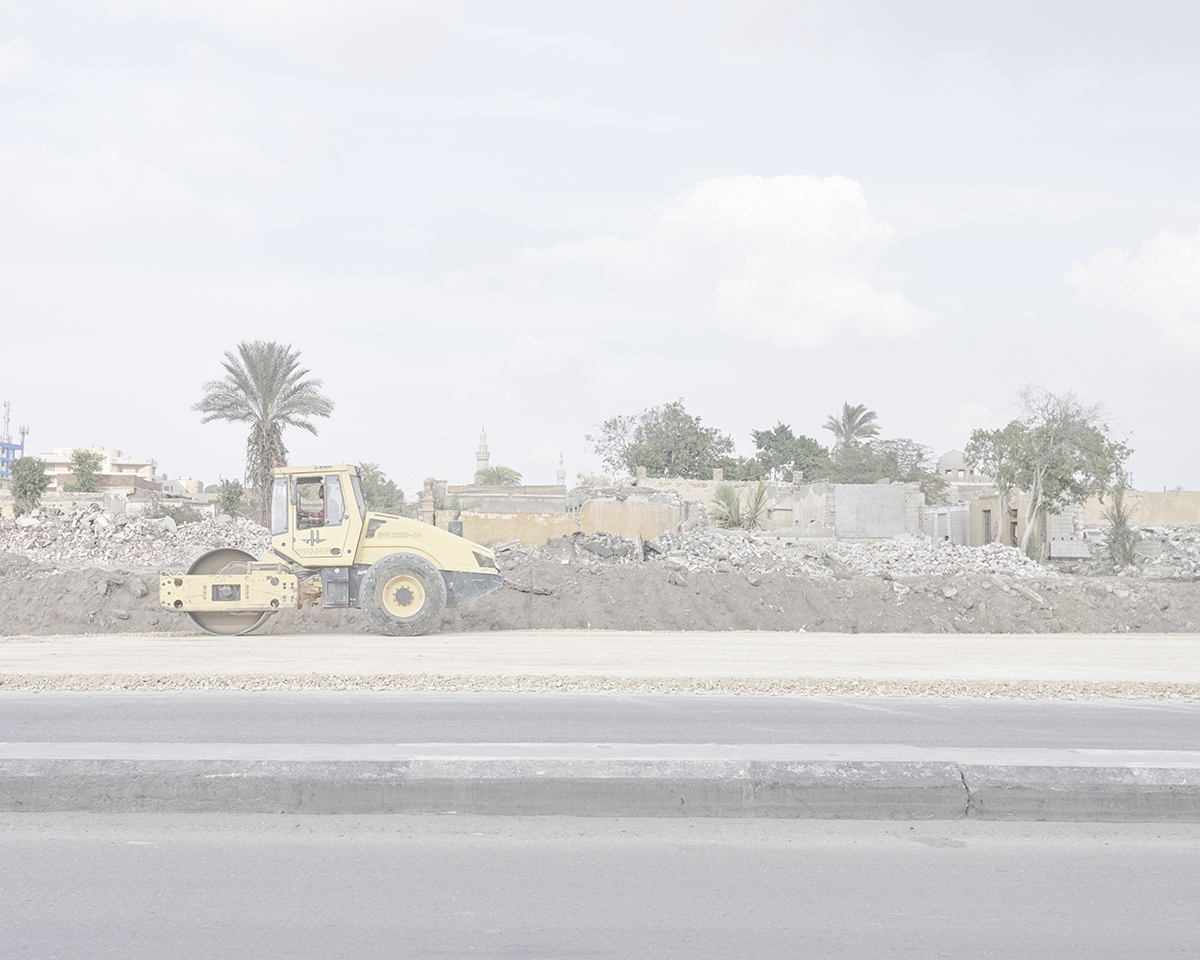
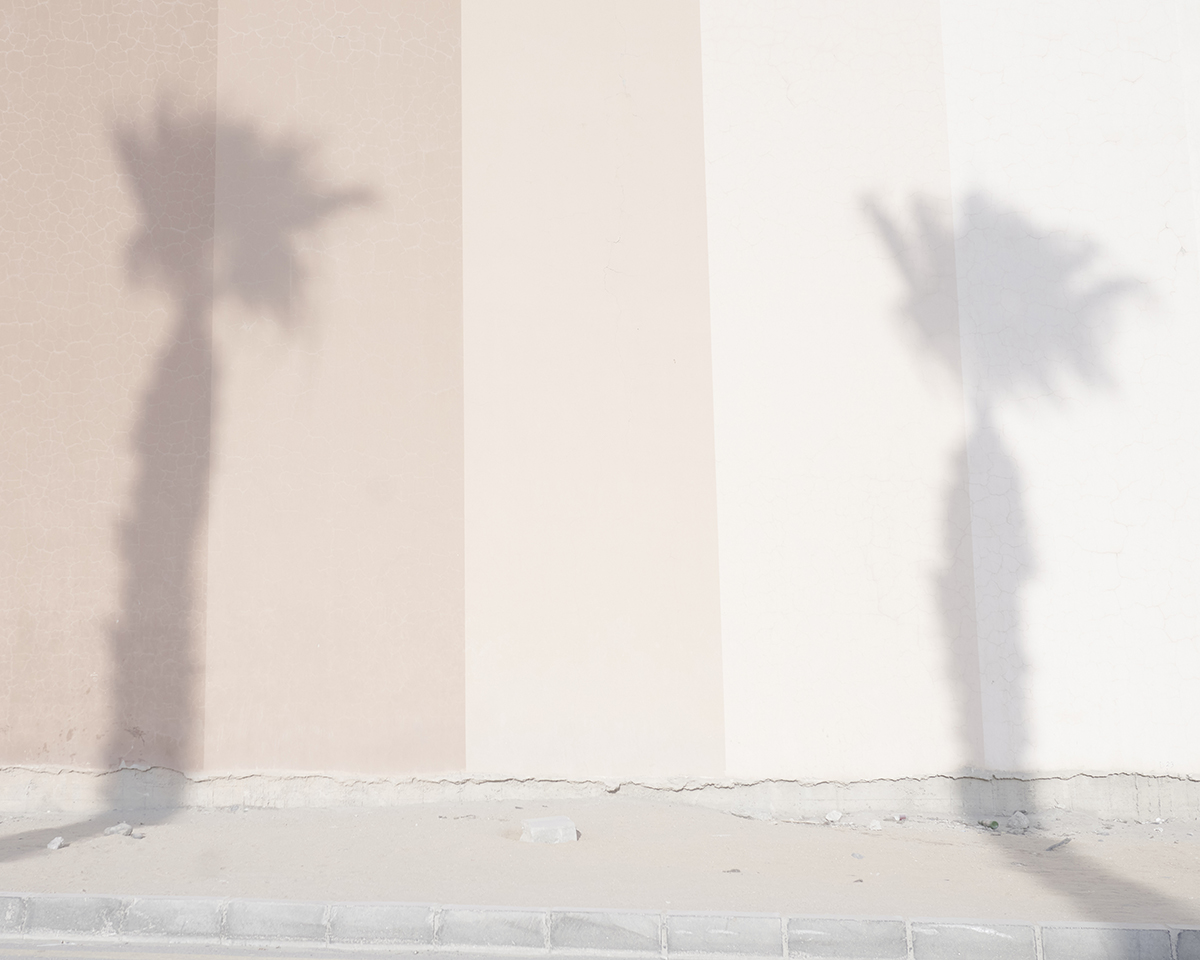
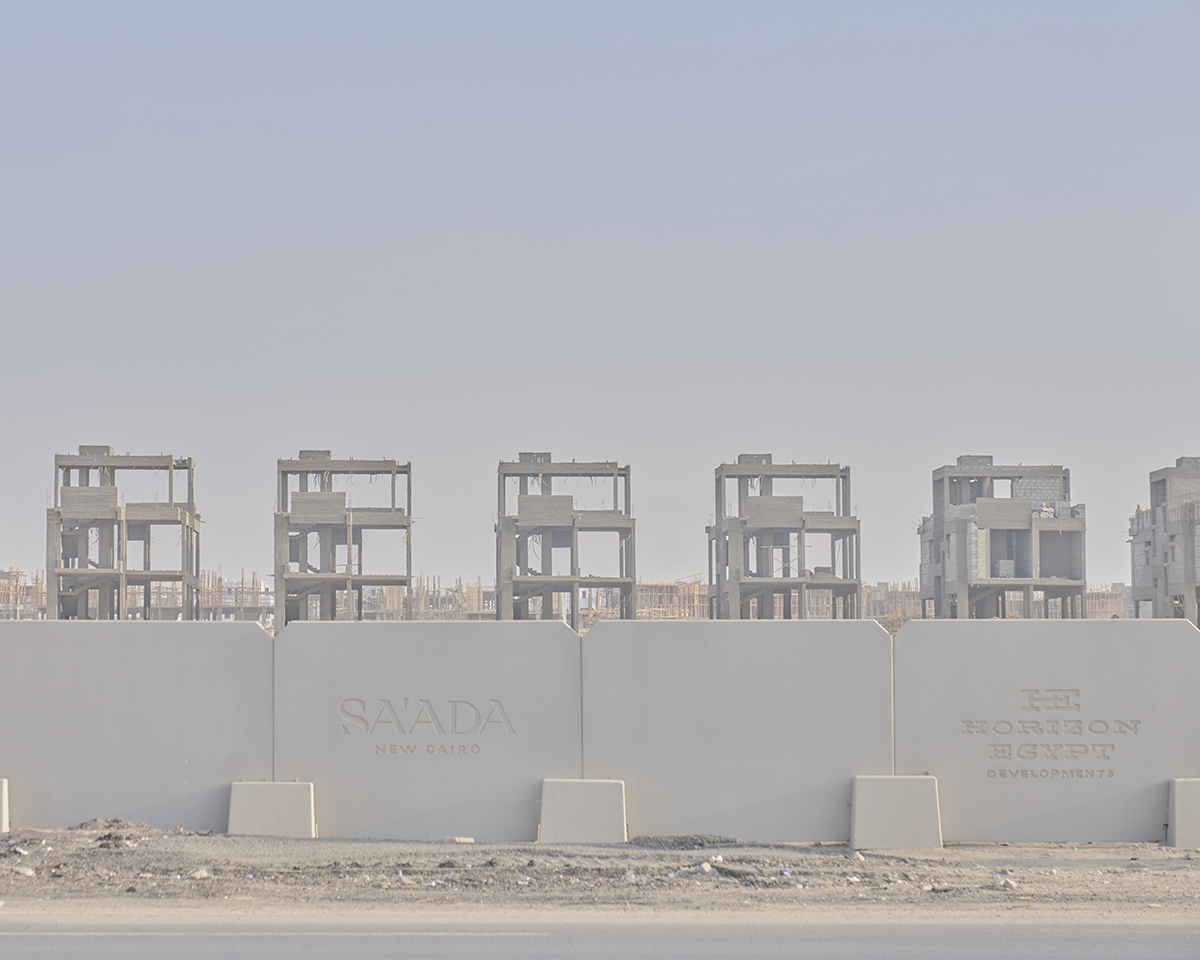
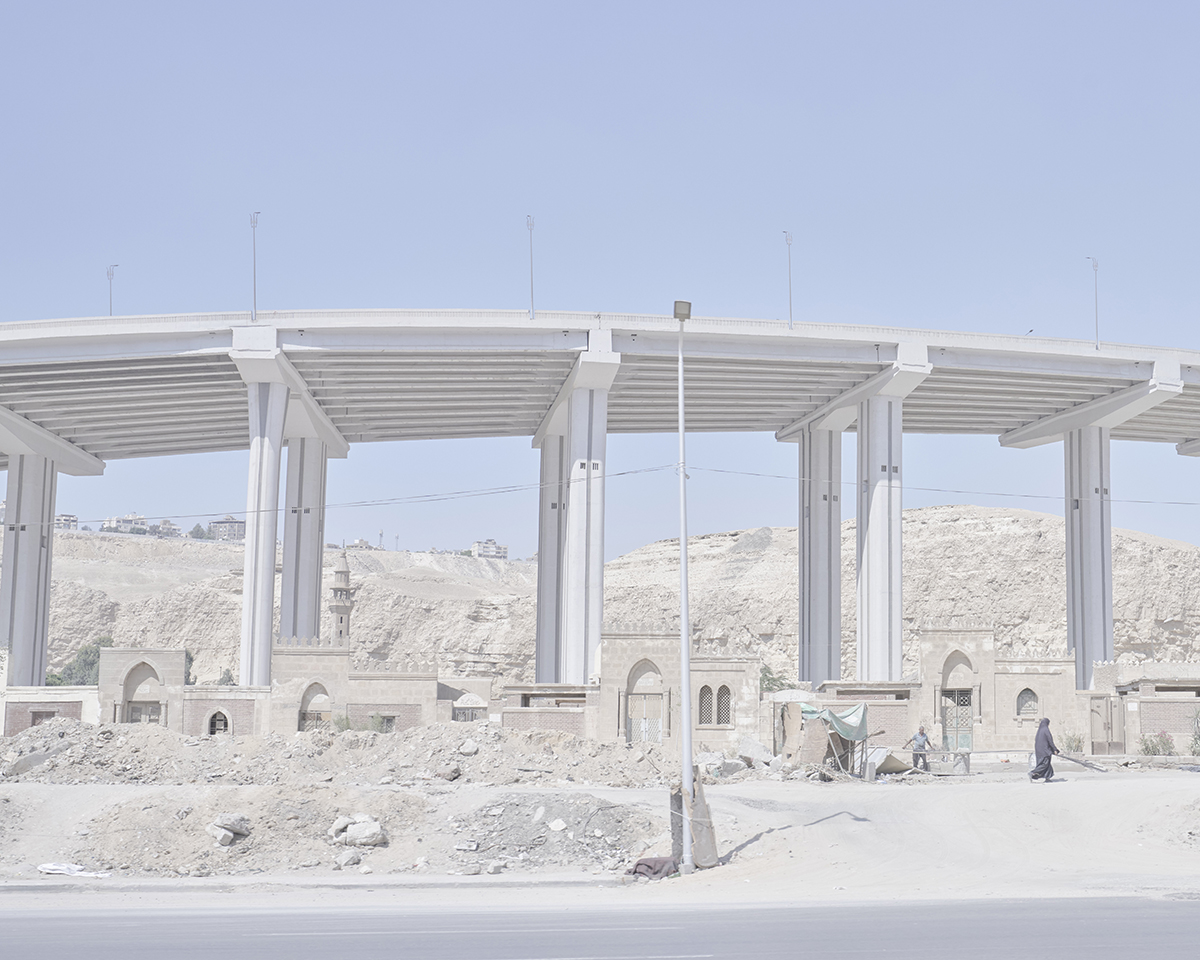
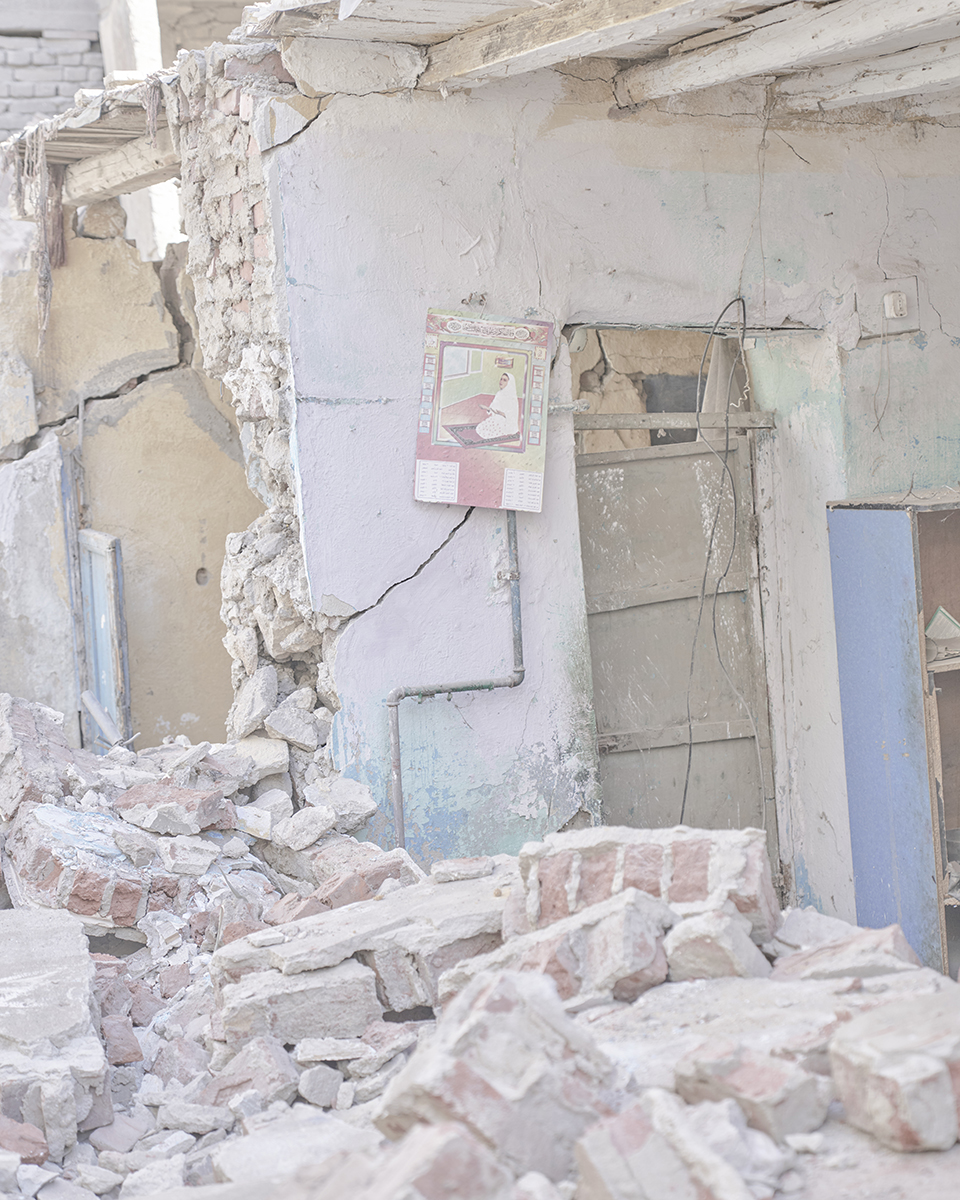
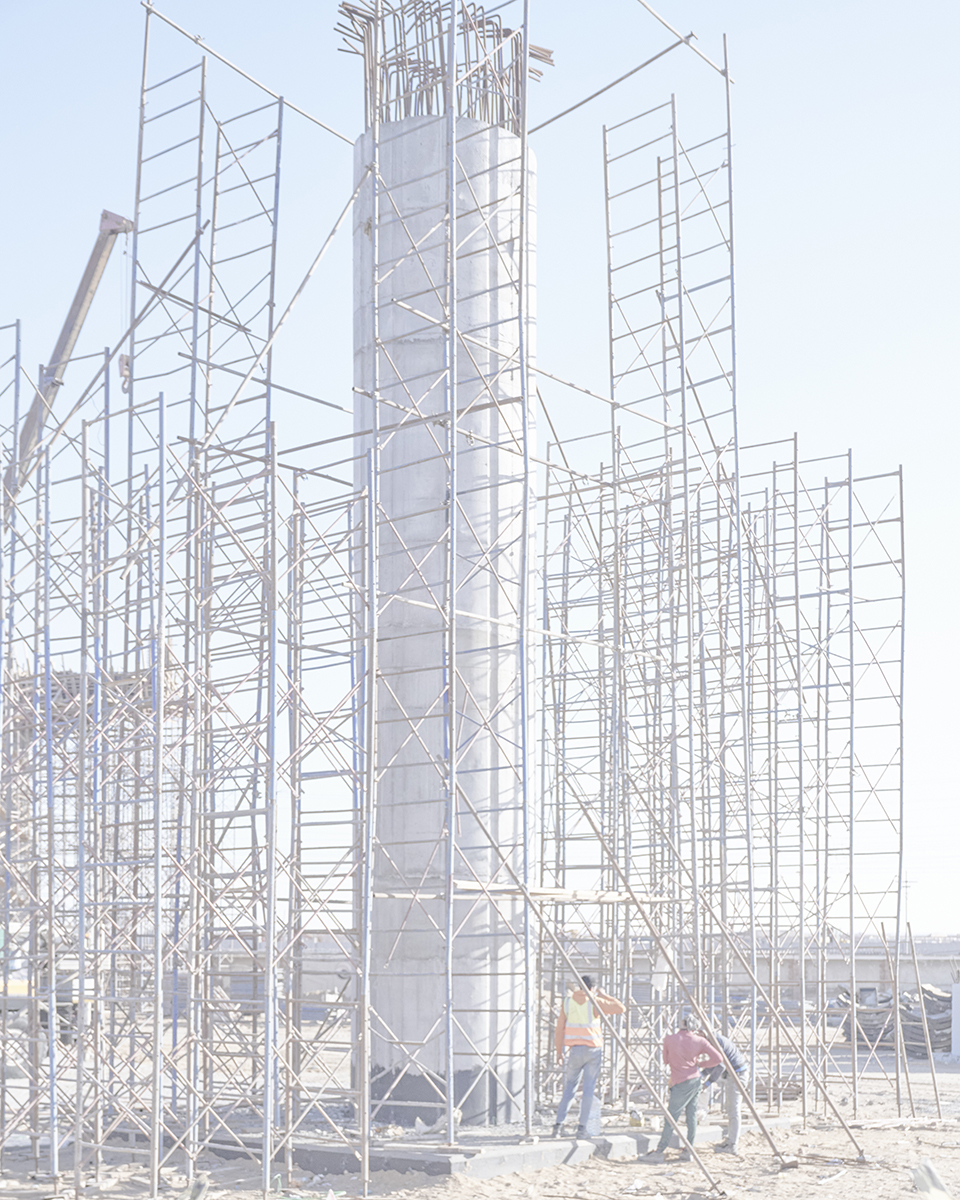
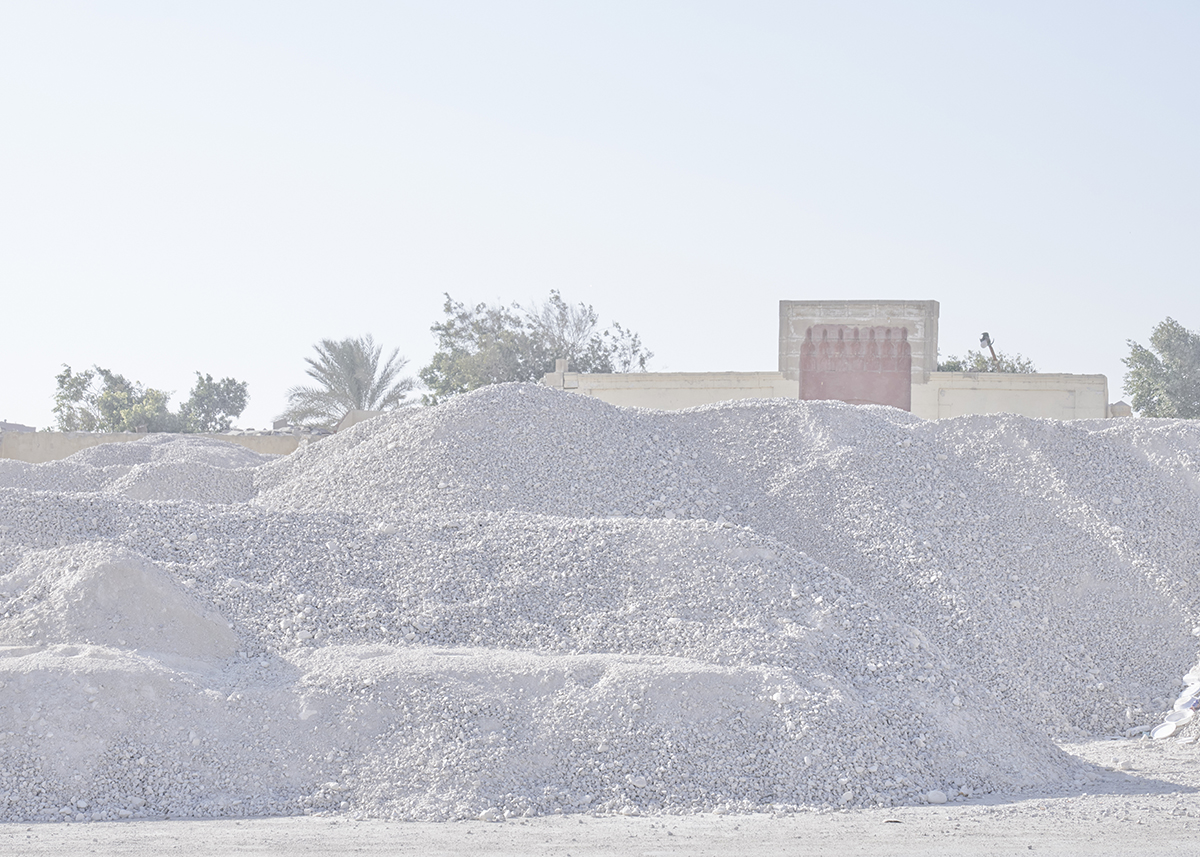
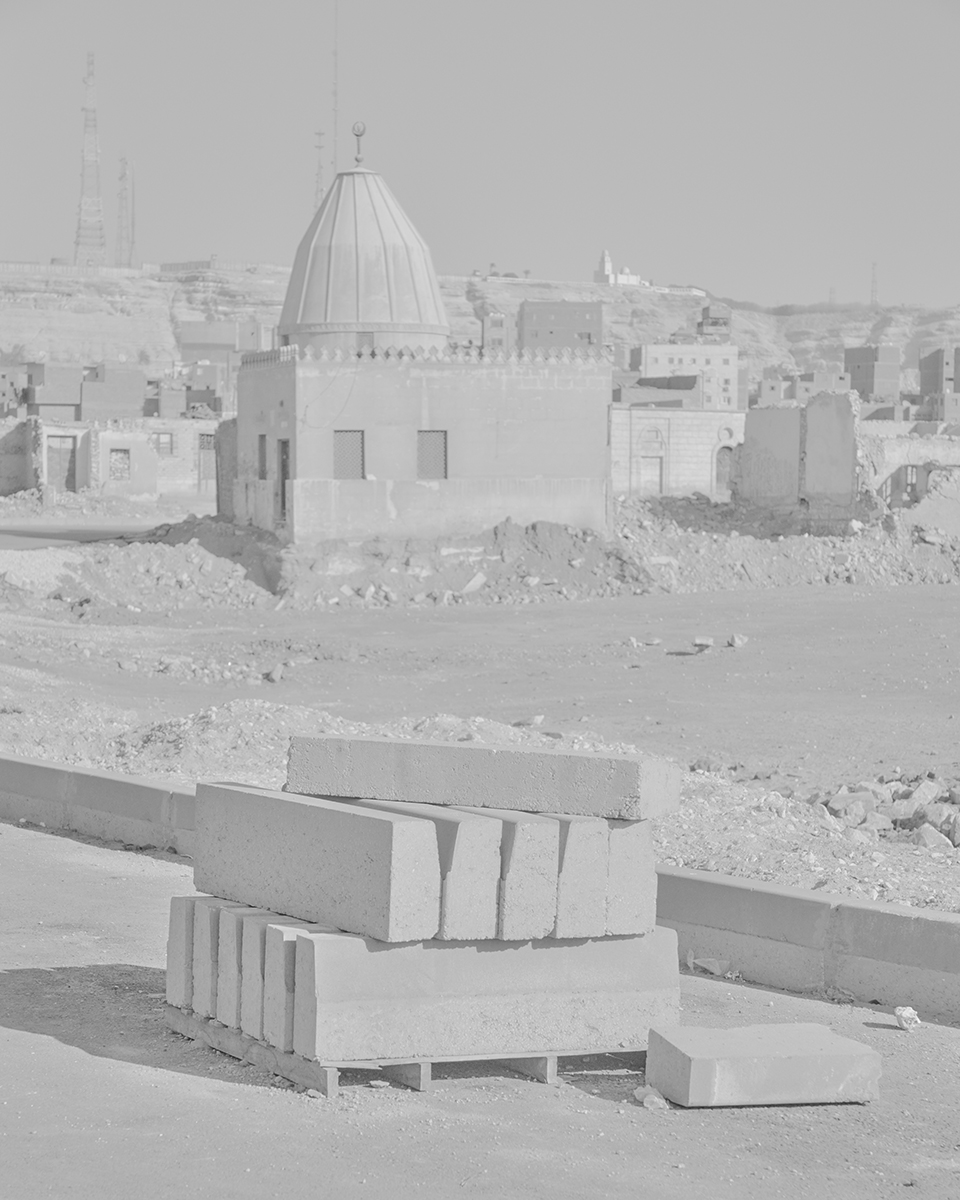
There used to be a Mulberry Tree around the corner of my neighborhood, one that was part of my childhood, my way home after I lost a friend to an overdose, and my days of addiction and recovery. The tree was later cut down to make way for a bridge. In Cairo, urban “developments” have violently defaced the urban landscape to the extent that it is hard to recognize and remember.
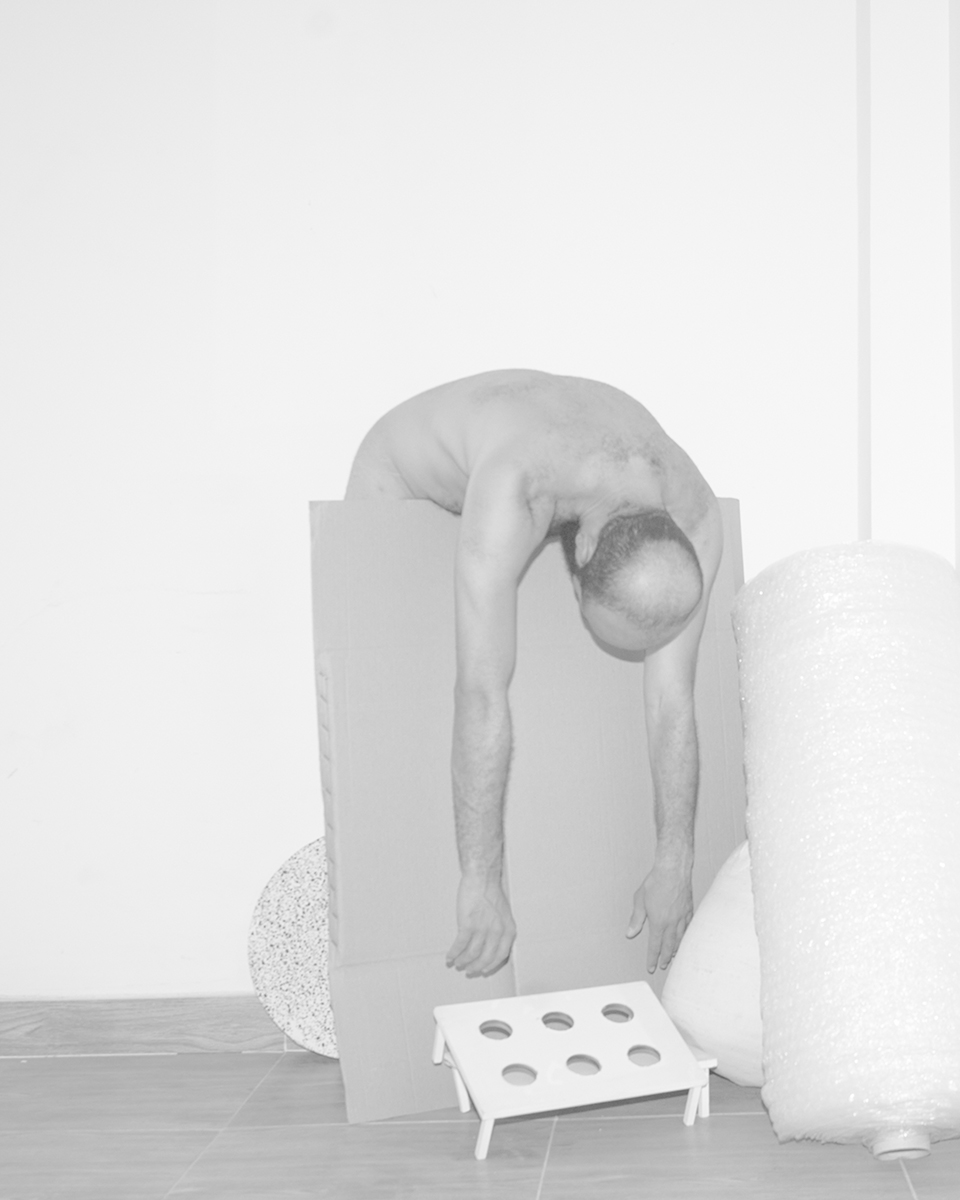
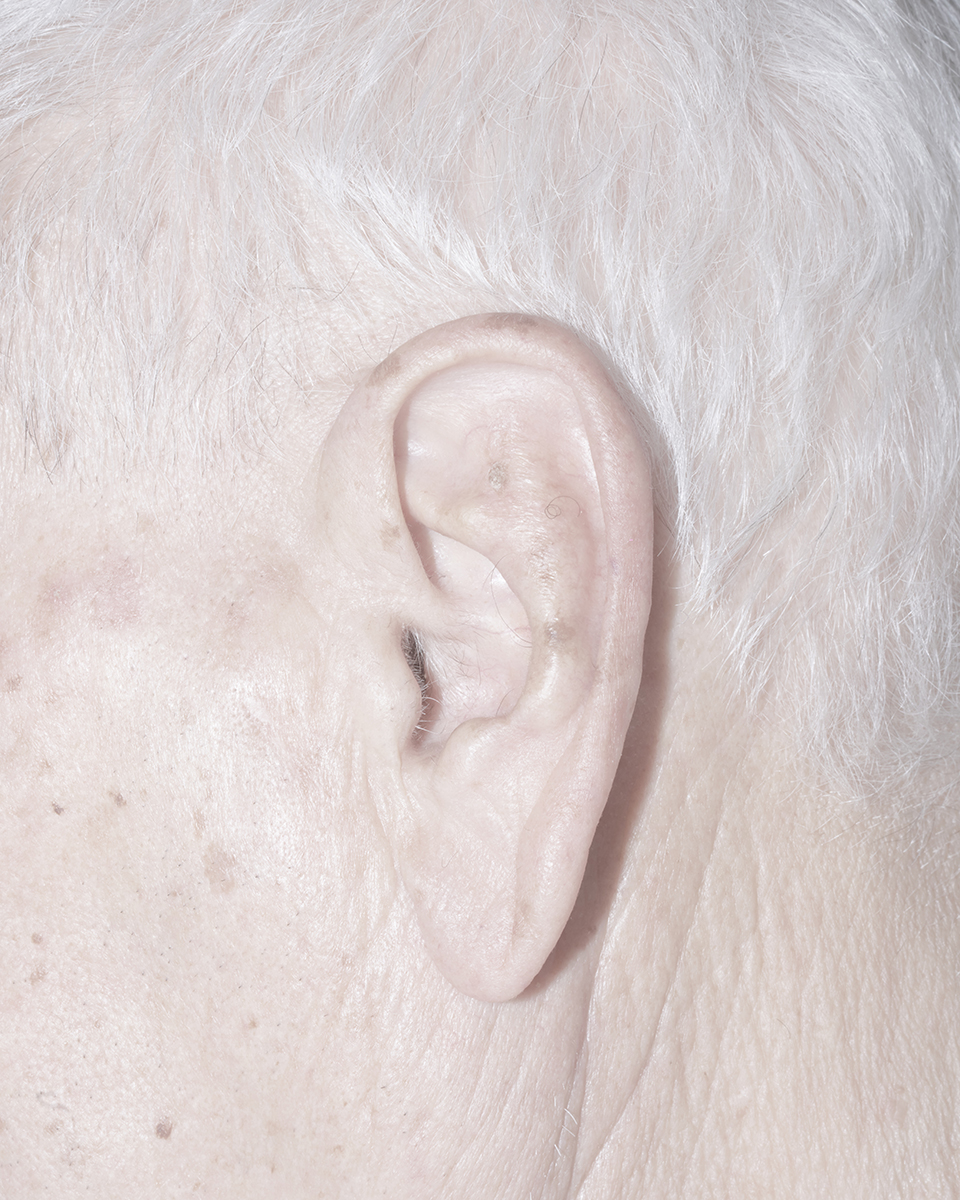
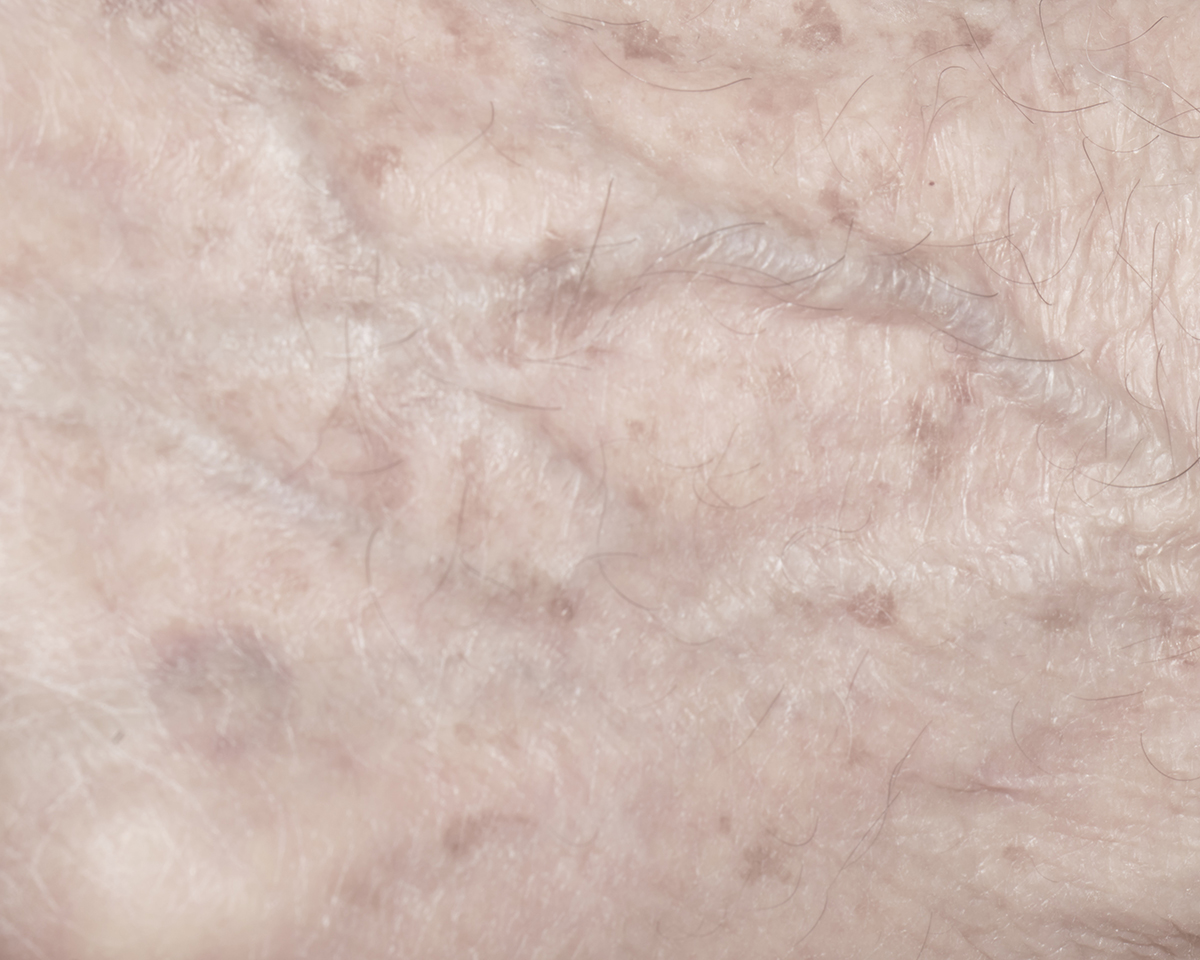
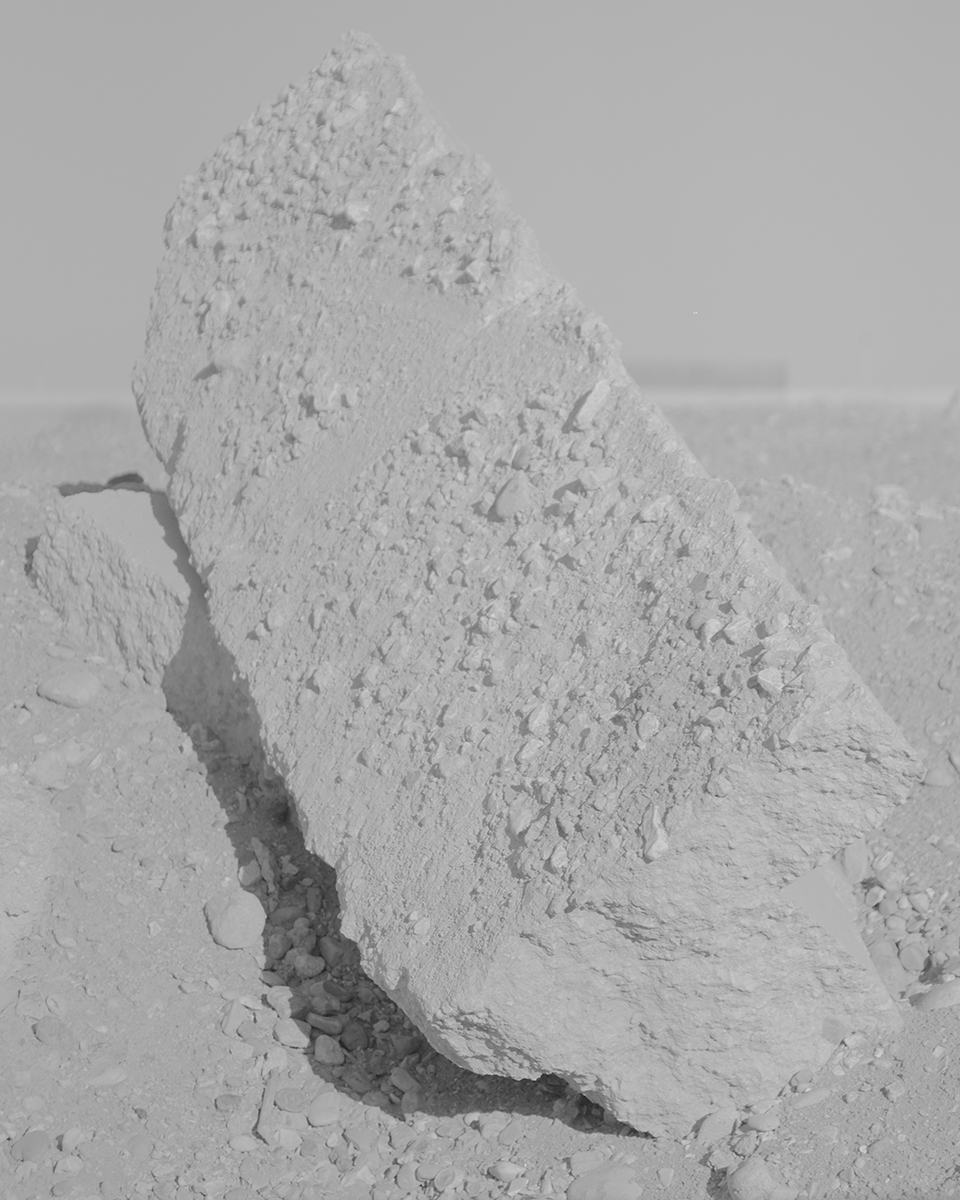
My memory is already very vexed, one that drugs have scarred deeply. To create a memory and make sense of my existence I photograph. I want to understand further the politics of forgetting, between addiction and the city’s bulldozer. How the city carries the same marks of trauma and survival.
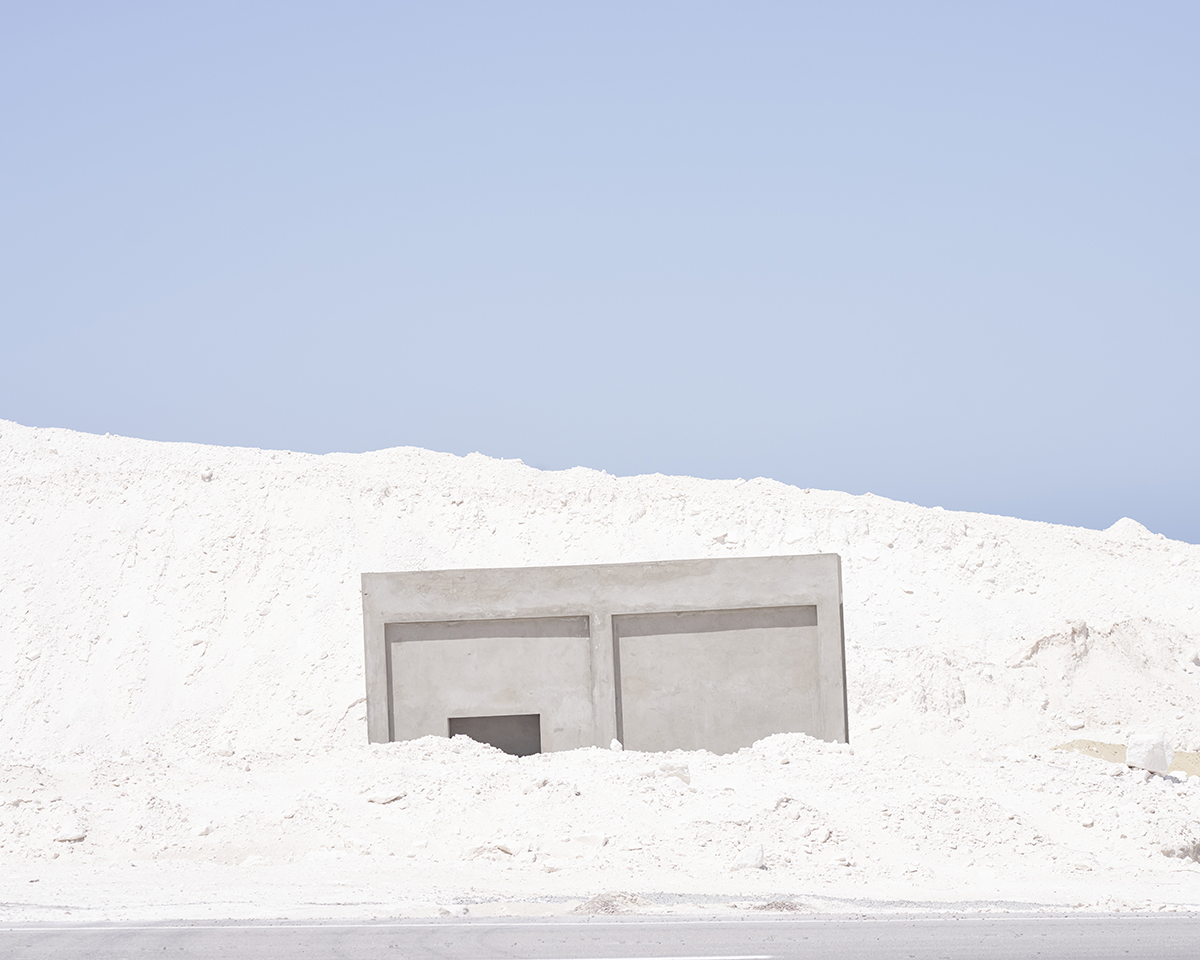
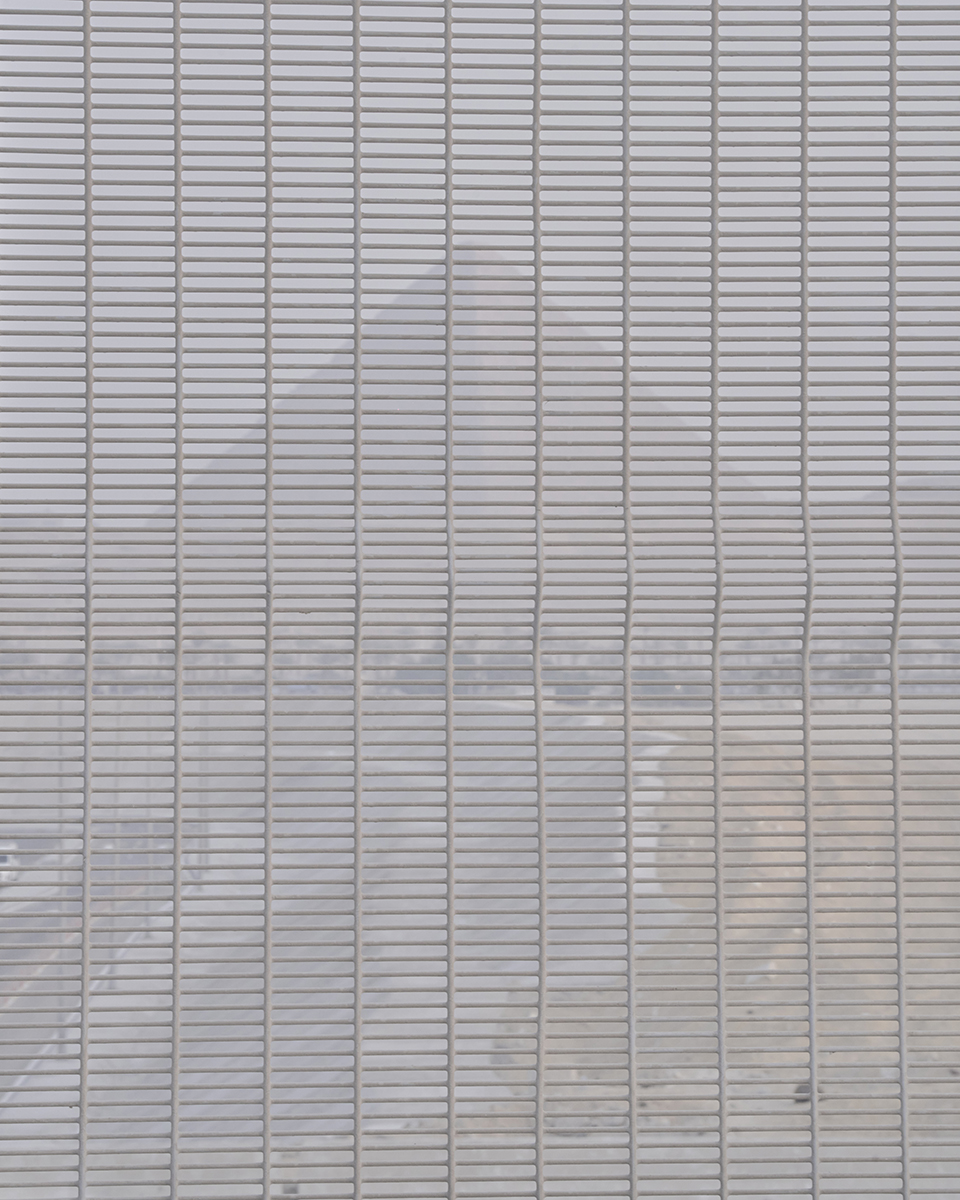
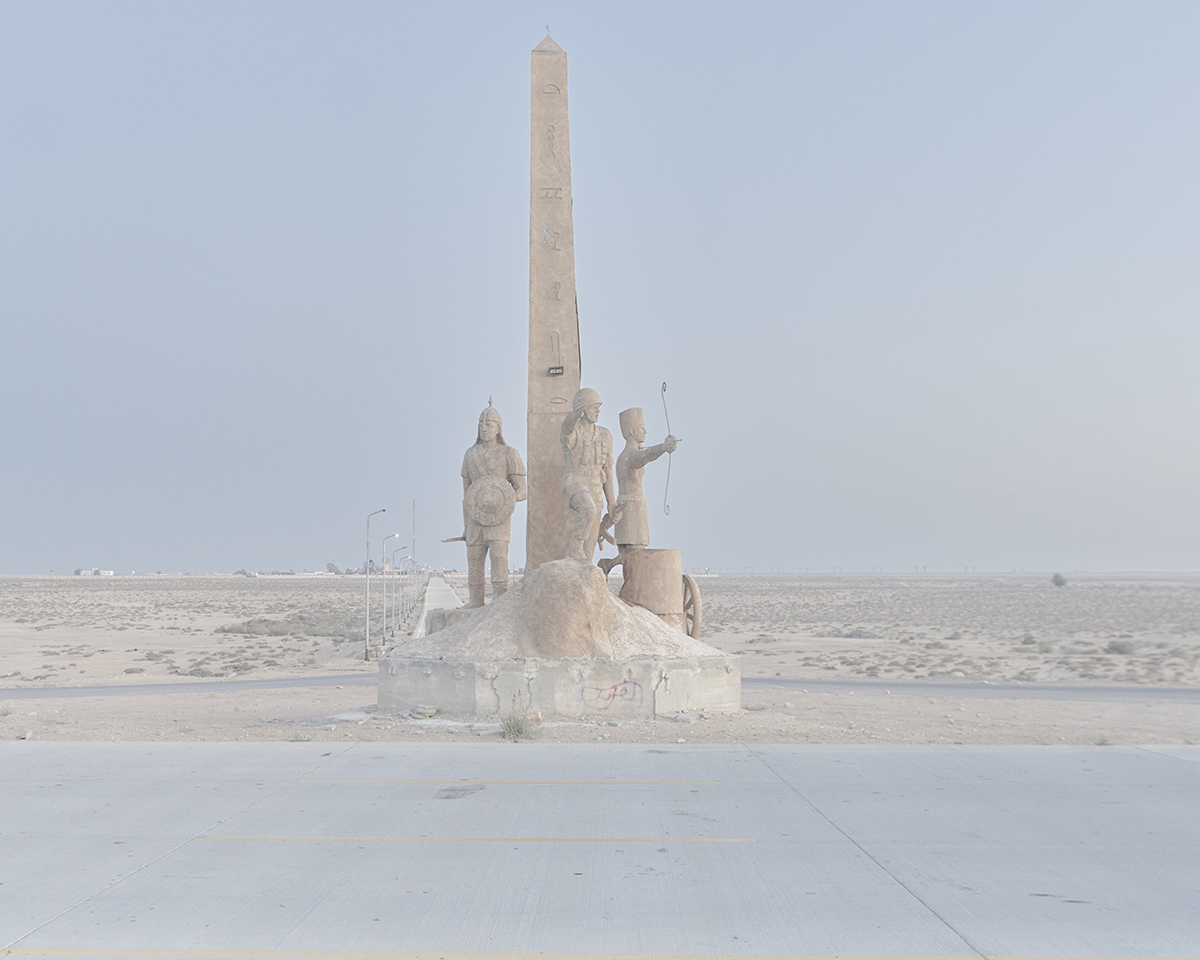
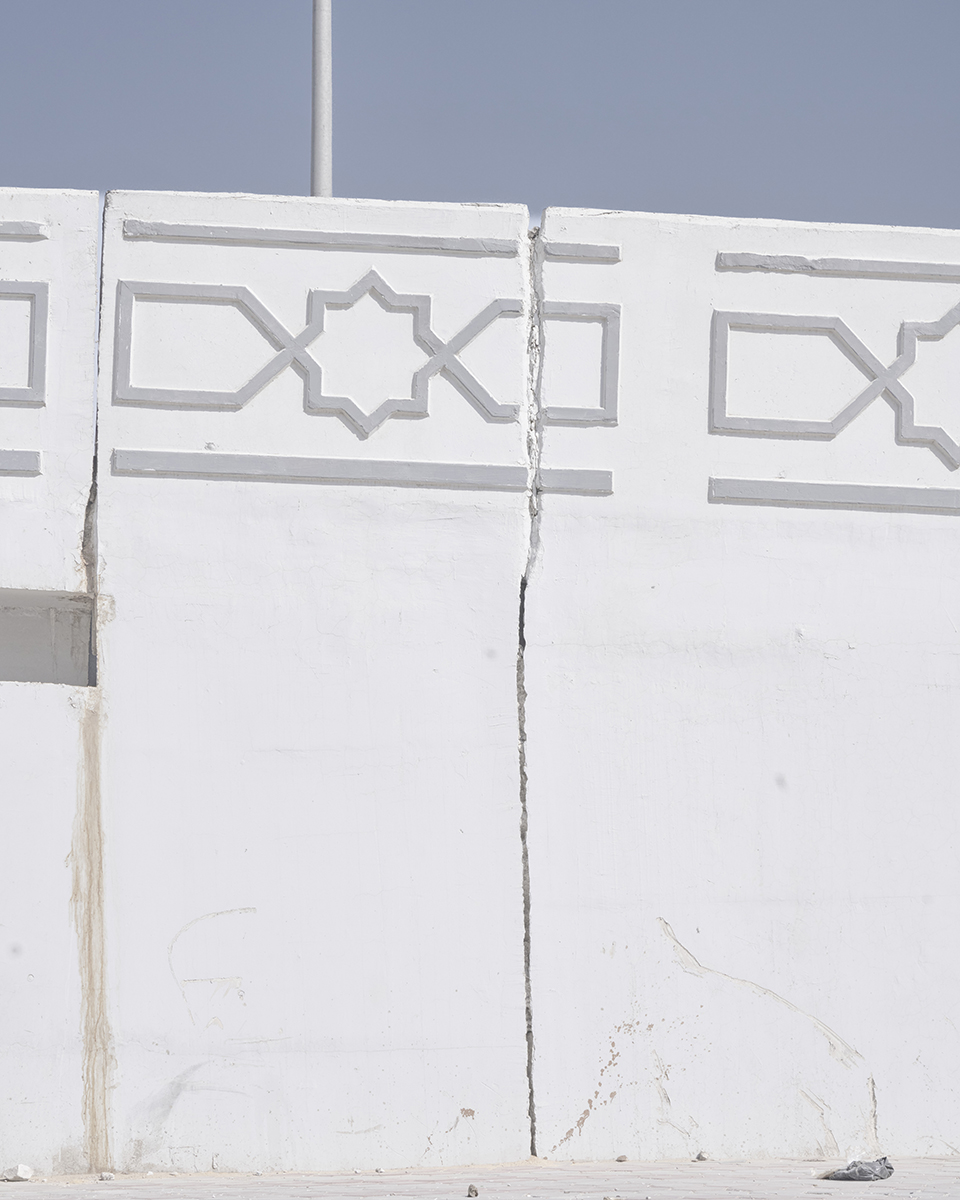
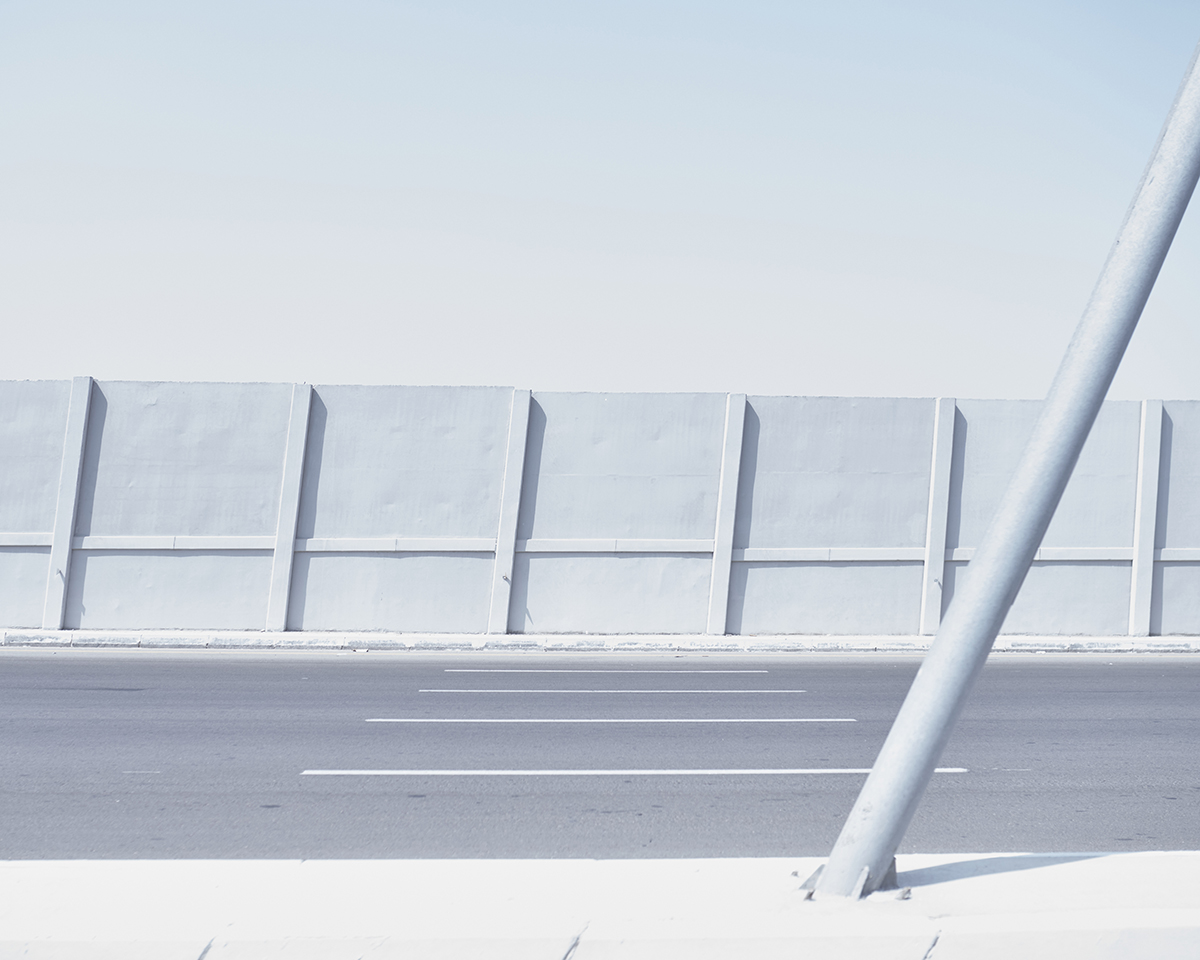
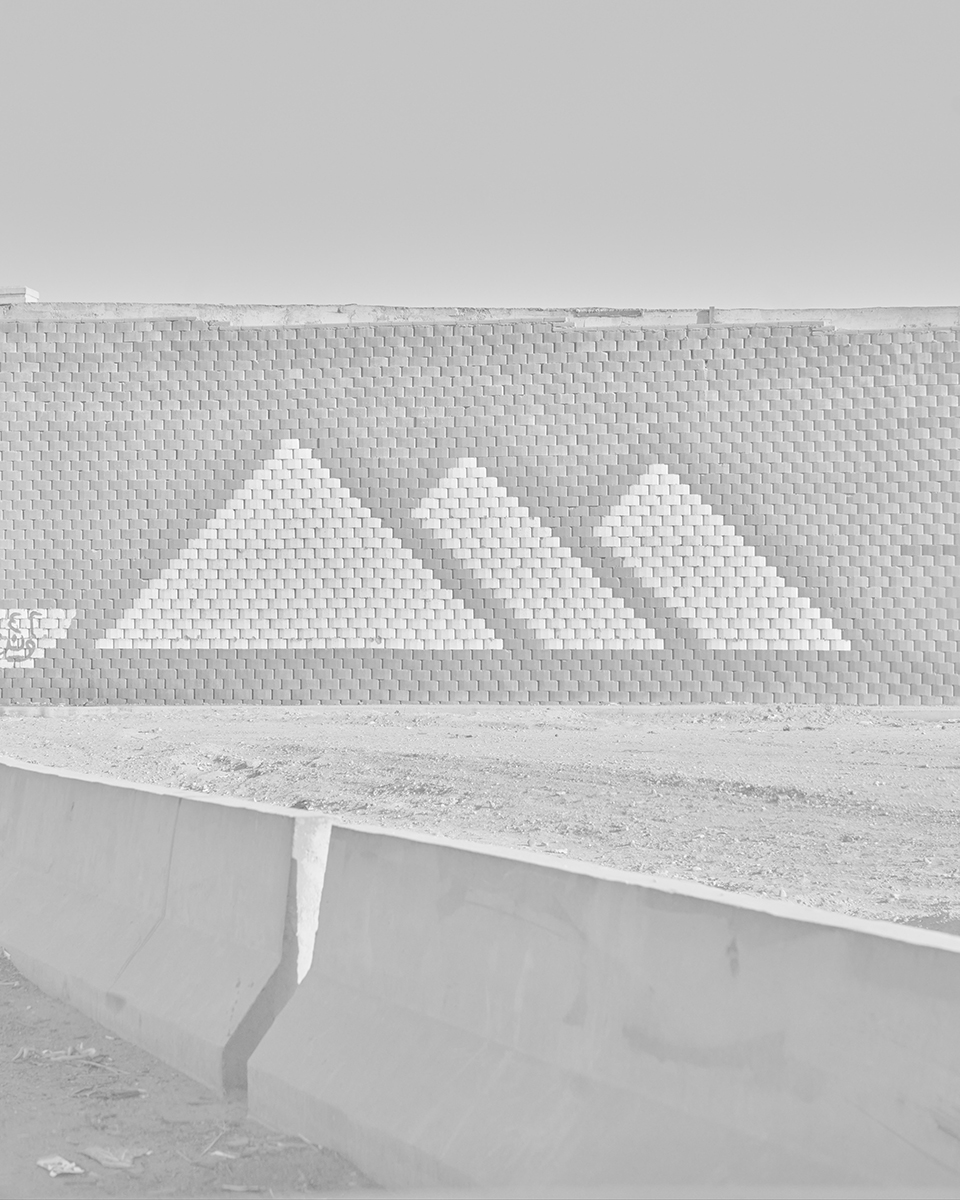
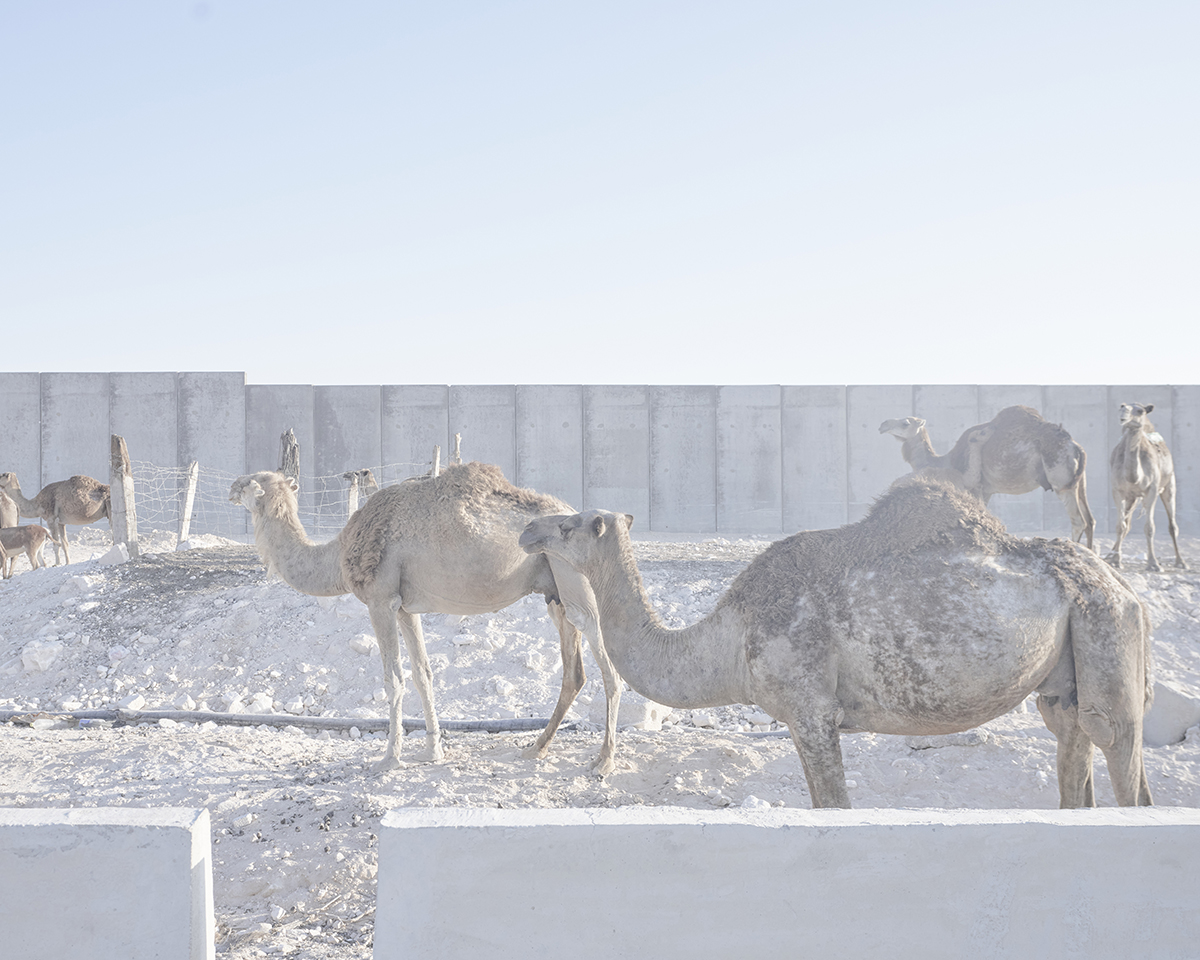
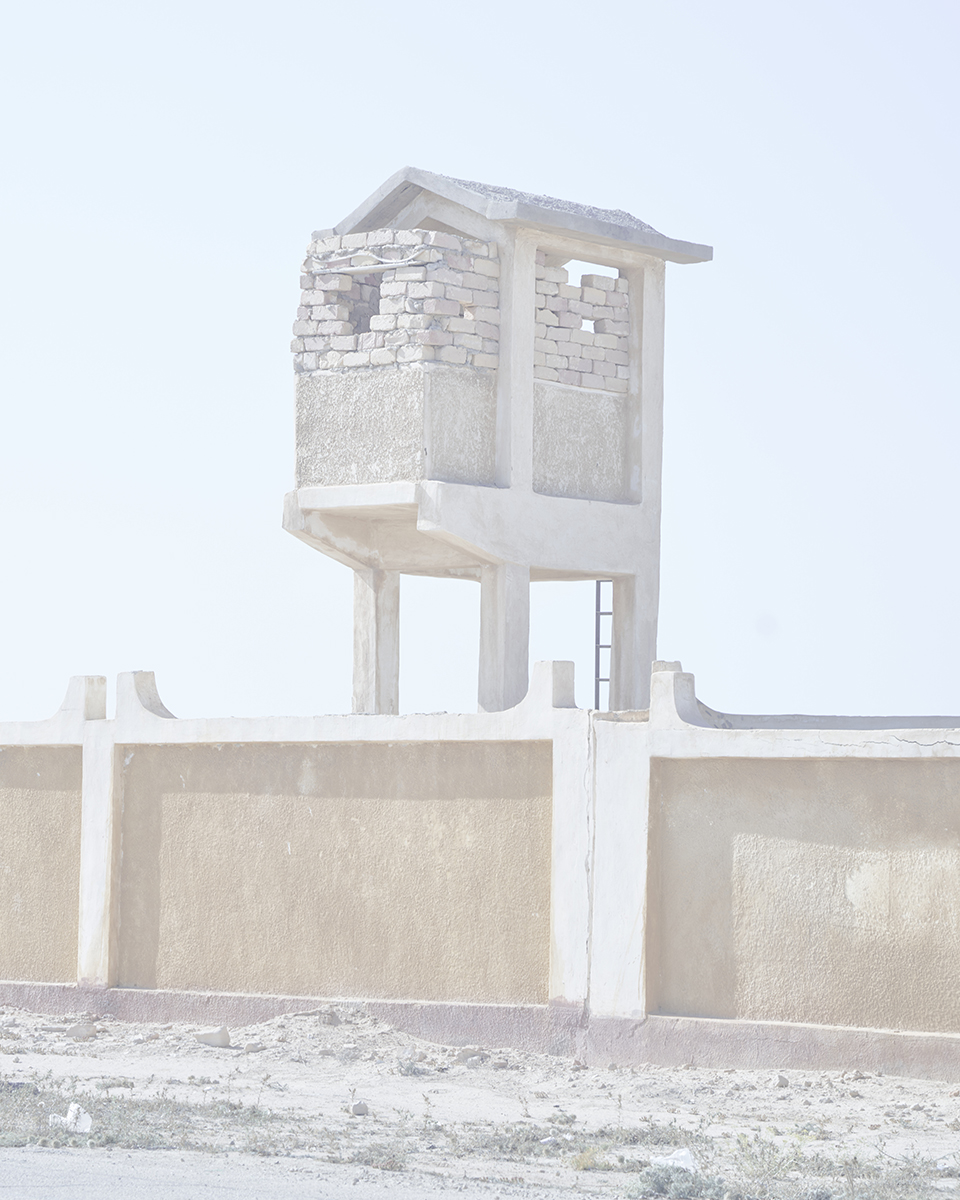
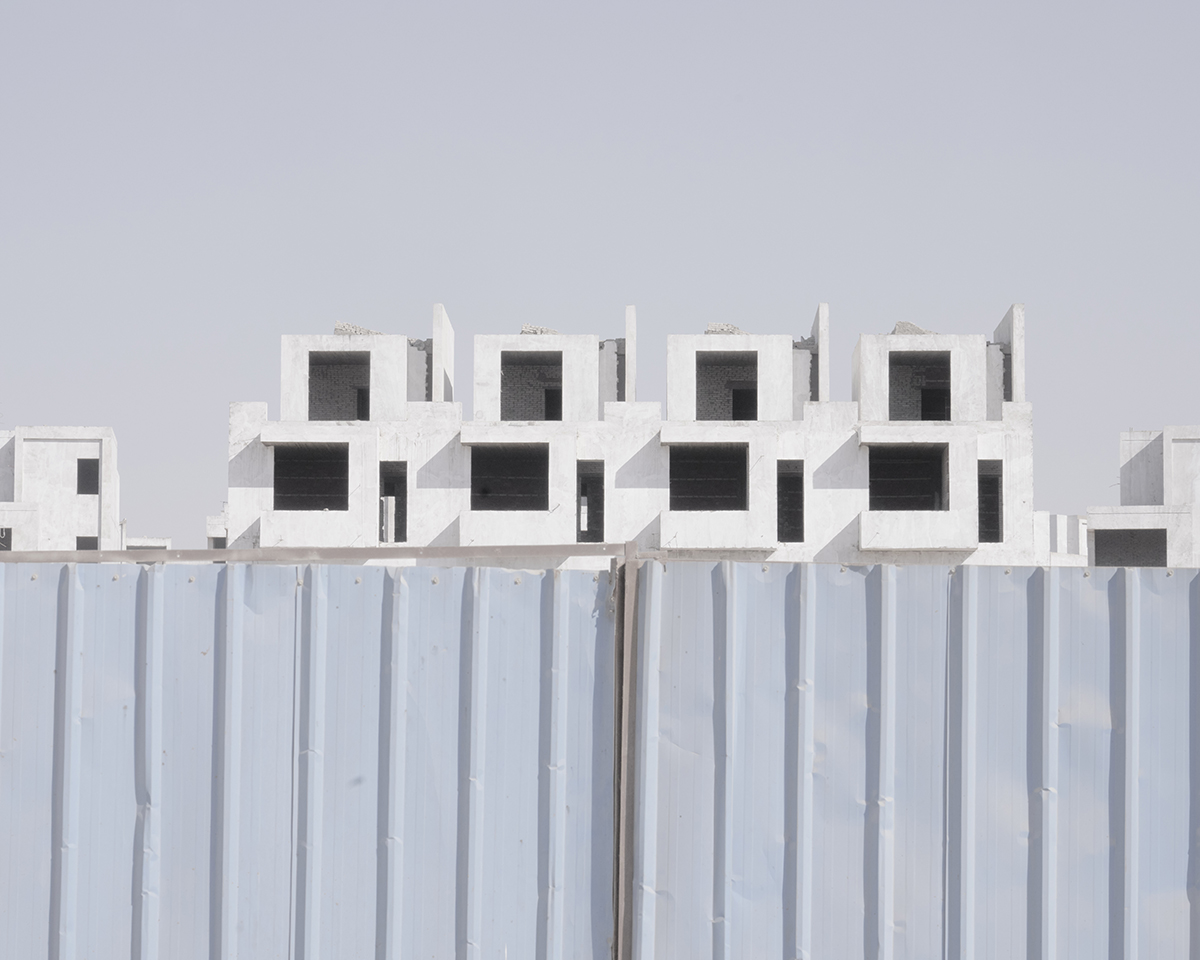
Cairo is fading. The gaps between classes are growing. The city is becoming military-designed, rigid, grey. What was there before—the open green spaces, children playing, families gathering—is gone. Now, if you want green, inside the compounds is paradise.
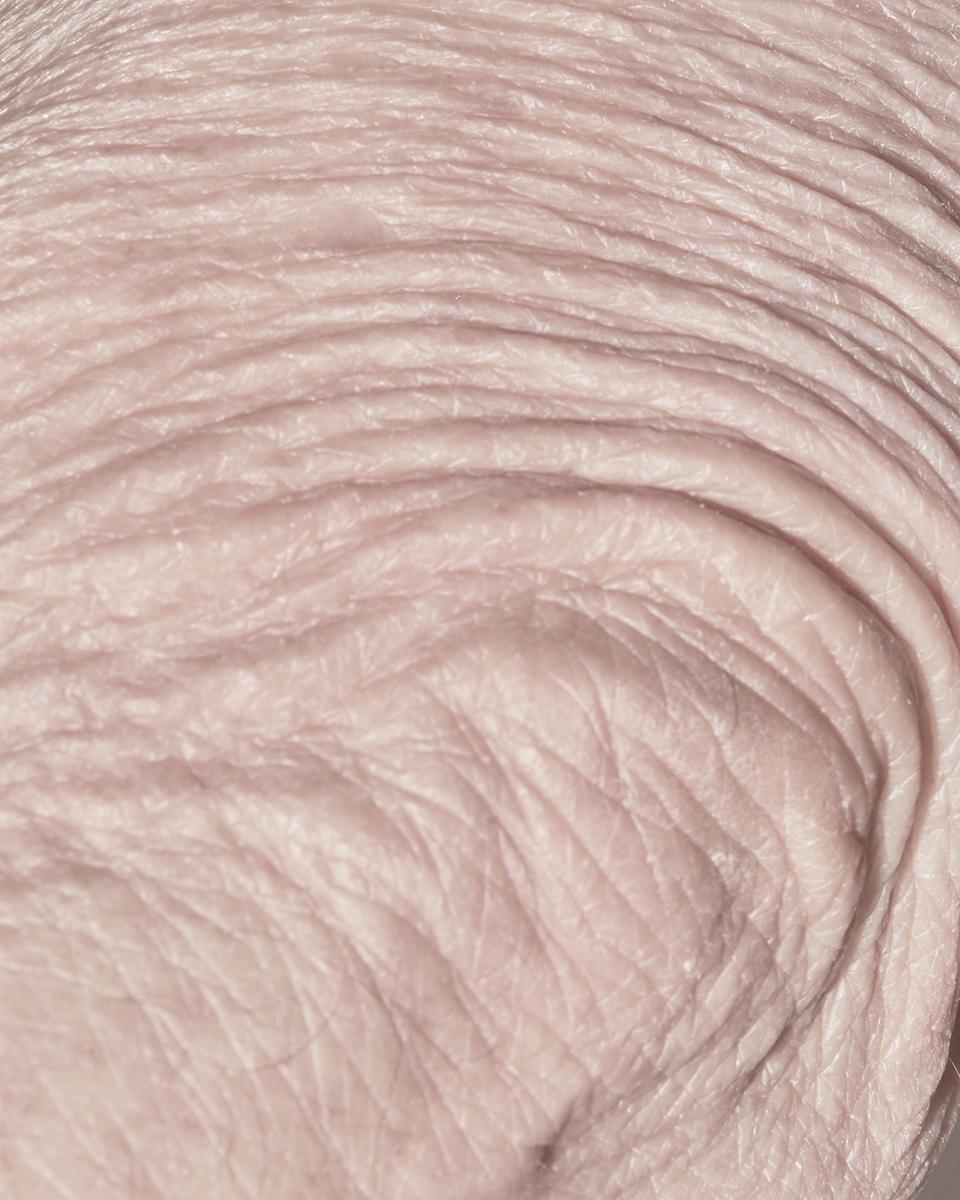
This year marks my 12th year of recovering from addiction. This year too marks the 12th year of Egypt’s dictatorship government. I opened my eyes to absurdity. I opened my eyes to no Mulberry Tree. The city is trying to renew itself by erasing its old skin.