All Projects
جميع المشاريع

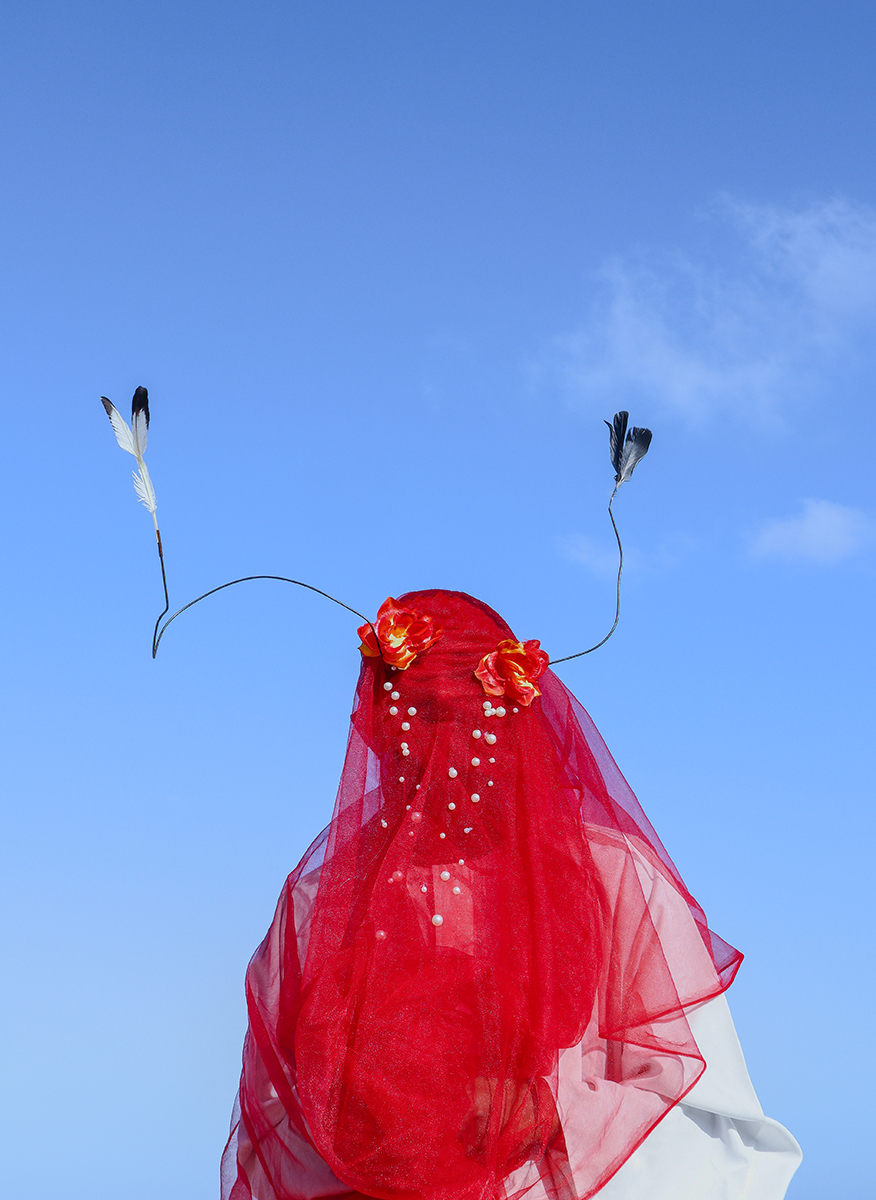
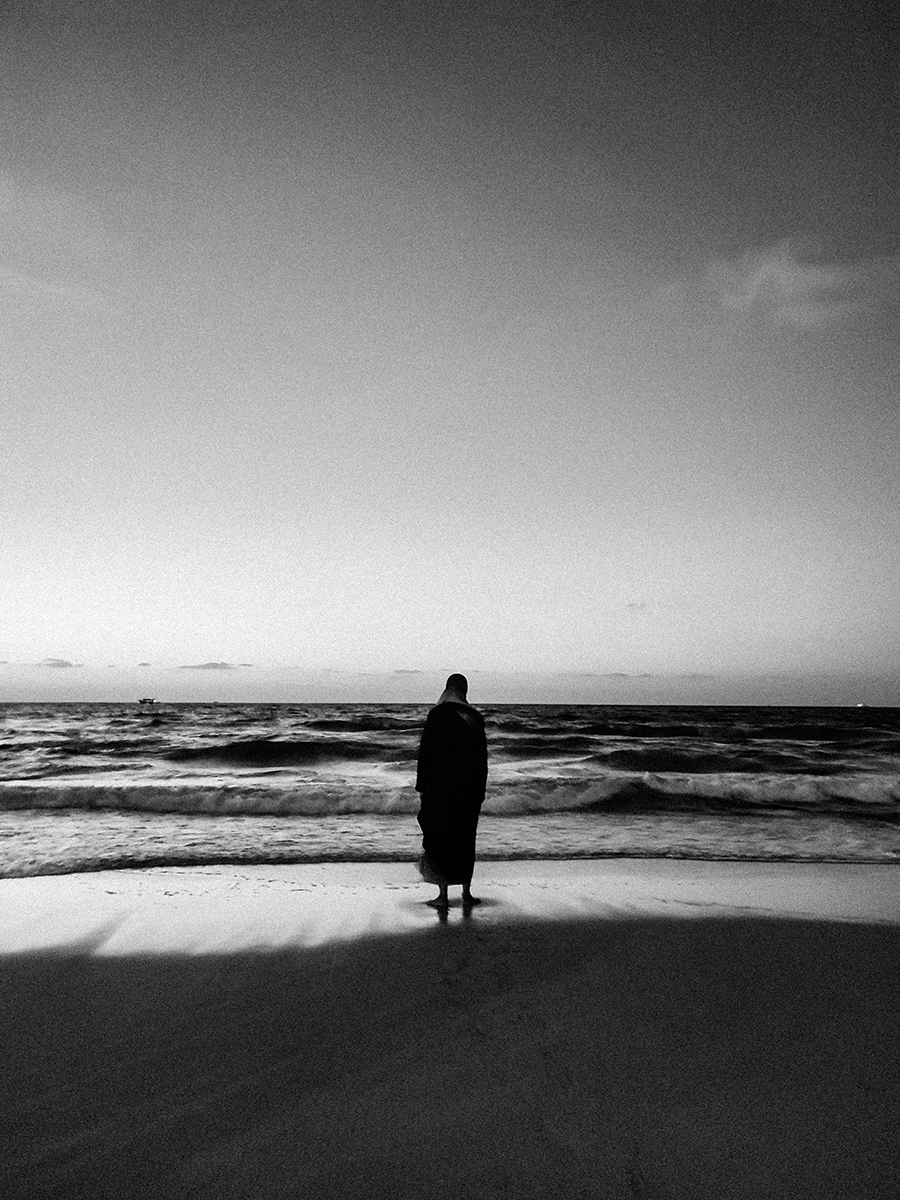
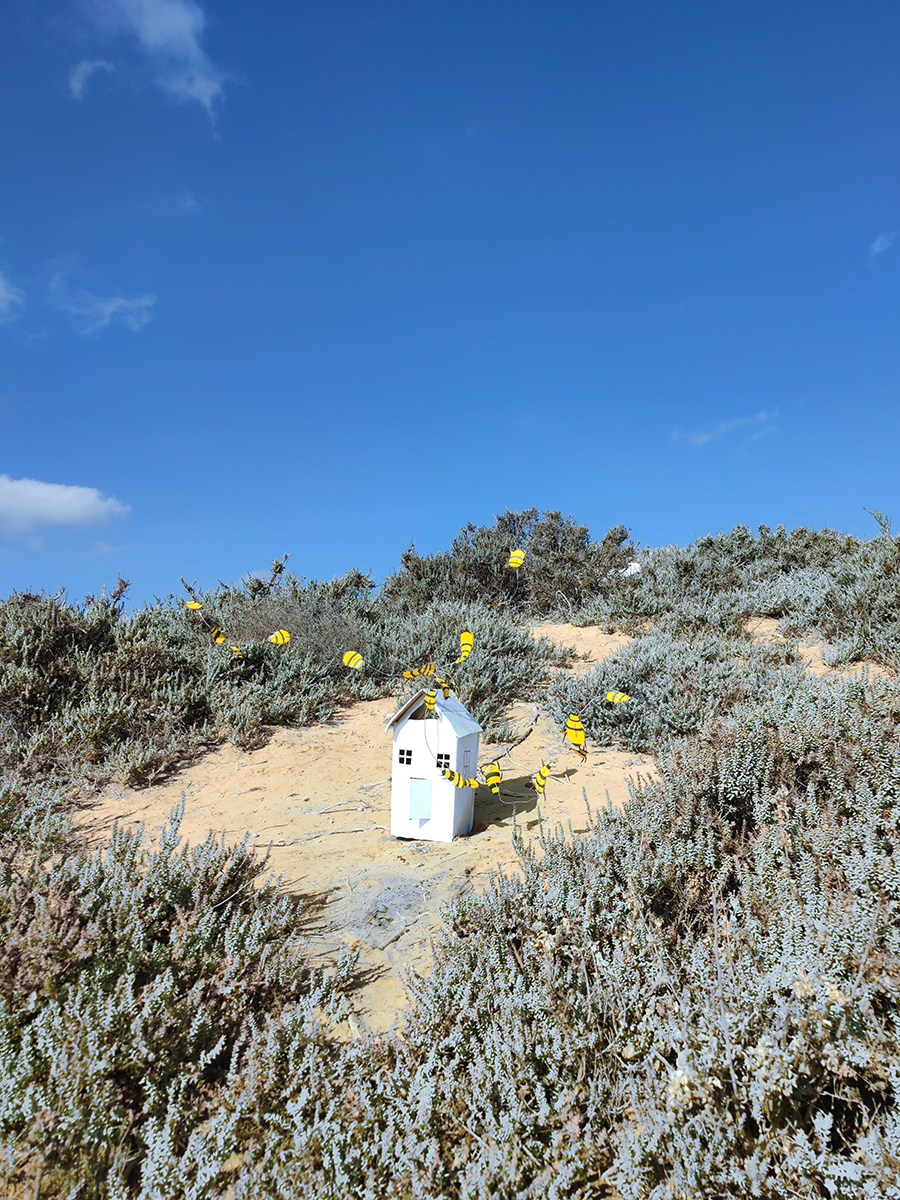
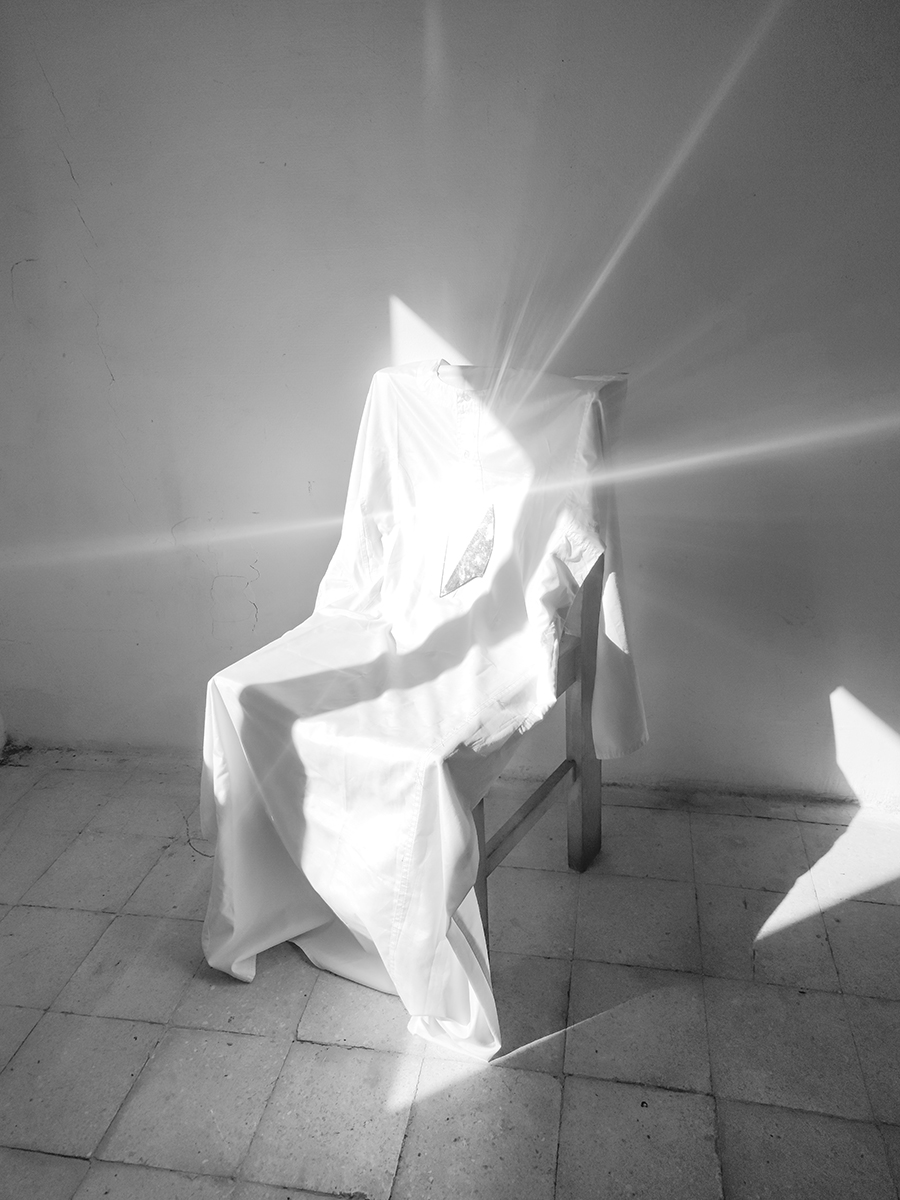
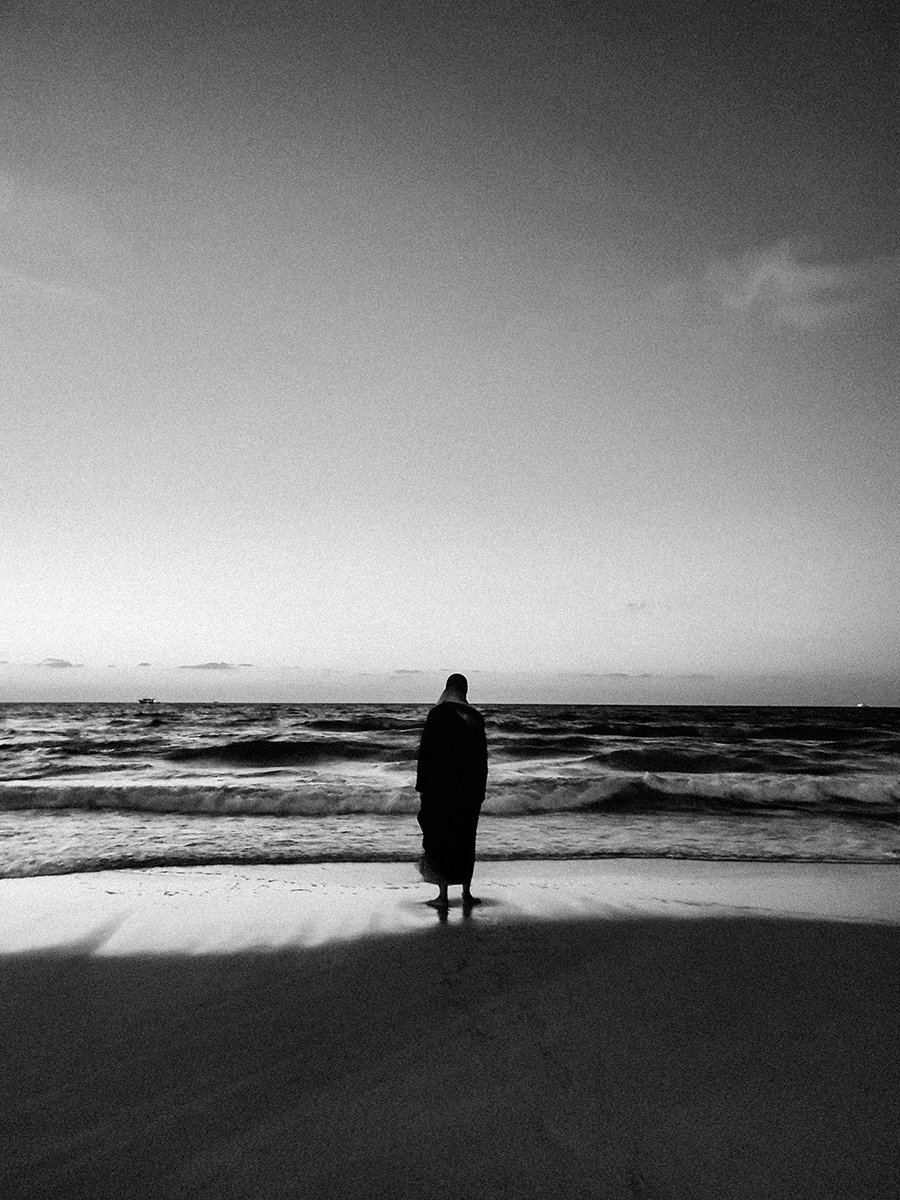
After the war broke out in Sudan, my concept of home changed. It was no longer a fixed place to return to, but a mental image weighted with longing and nostalgia.
War here is not only a political or military event, but a force that continues to reshape life despite my distance from its battlefield. Displacement is not limited to the act of leaving itself, but extends to becoming an internal state that accompanies the body wherever it goes.
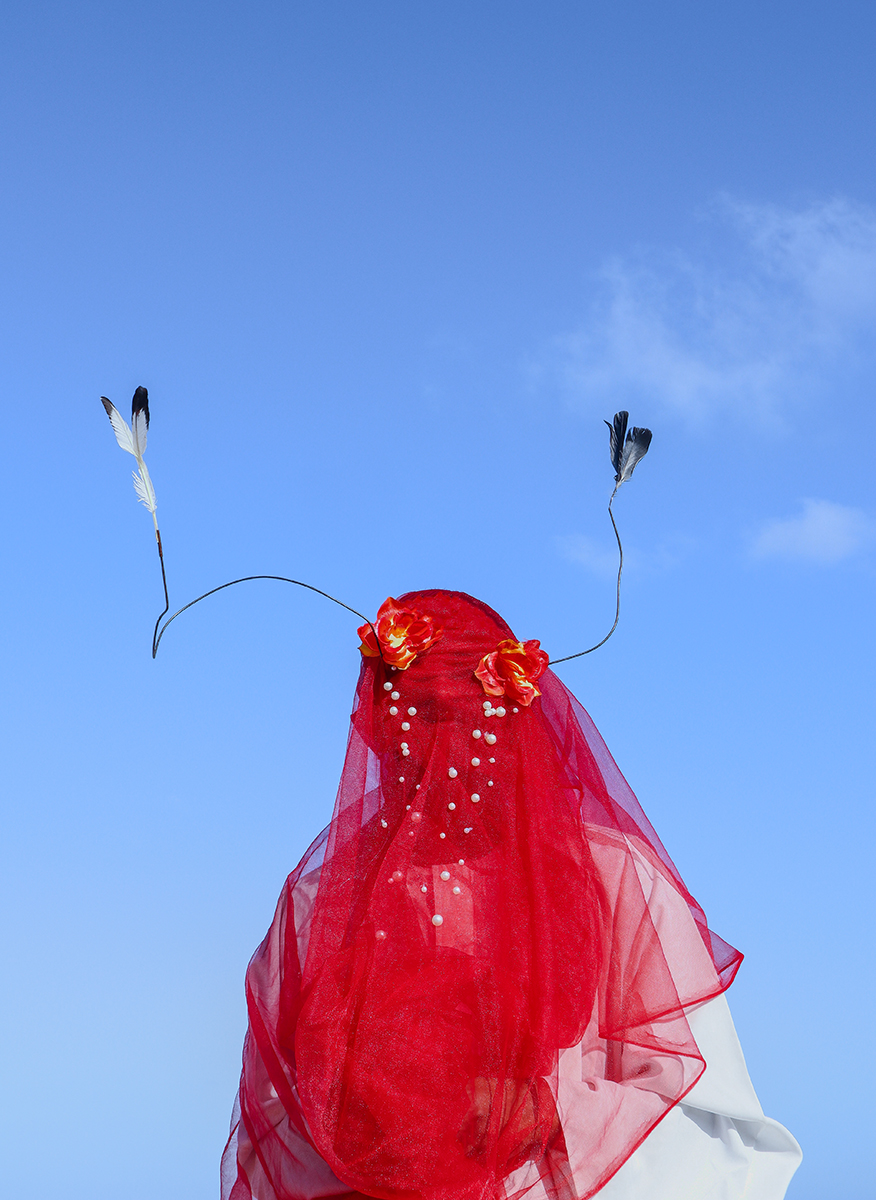
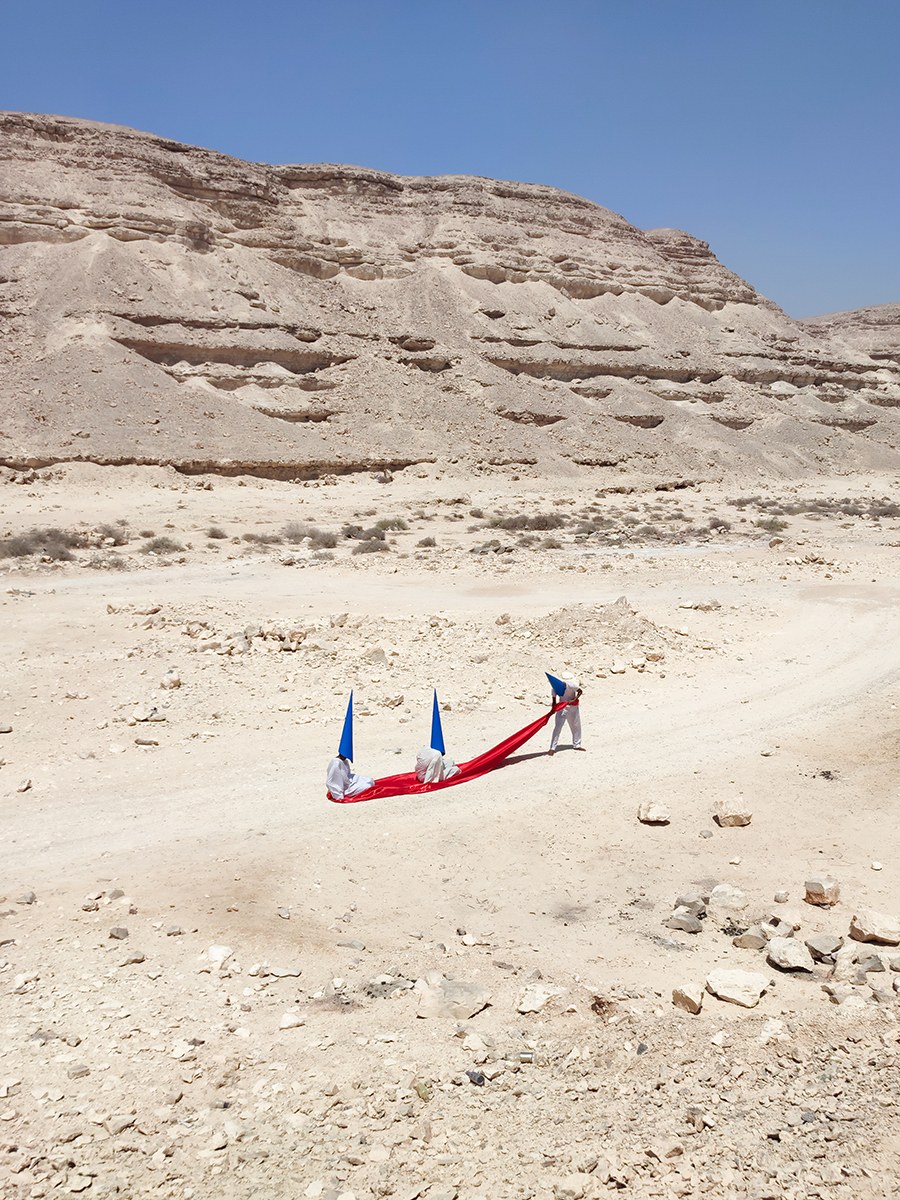
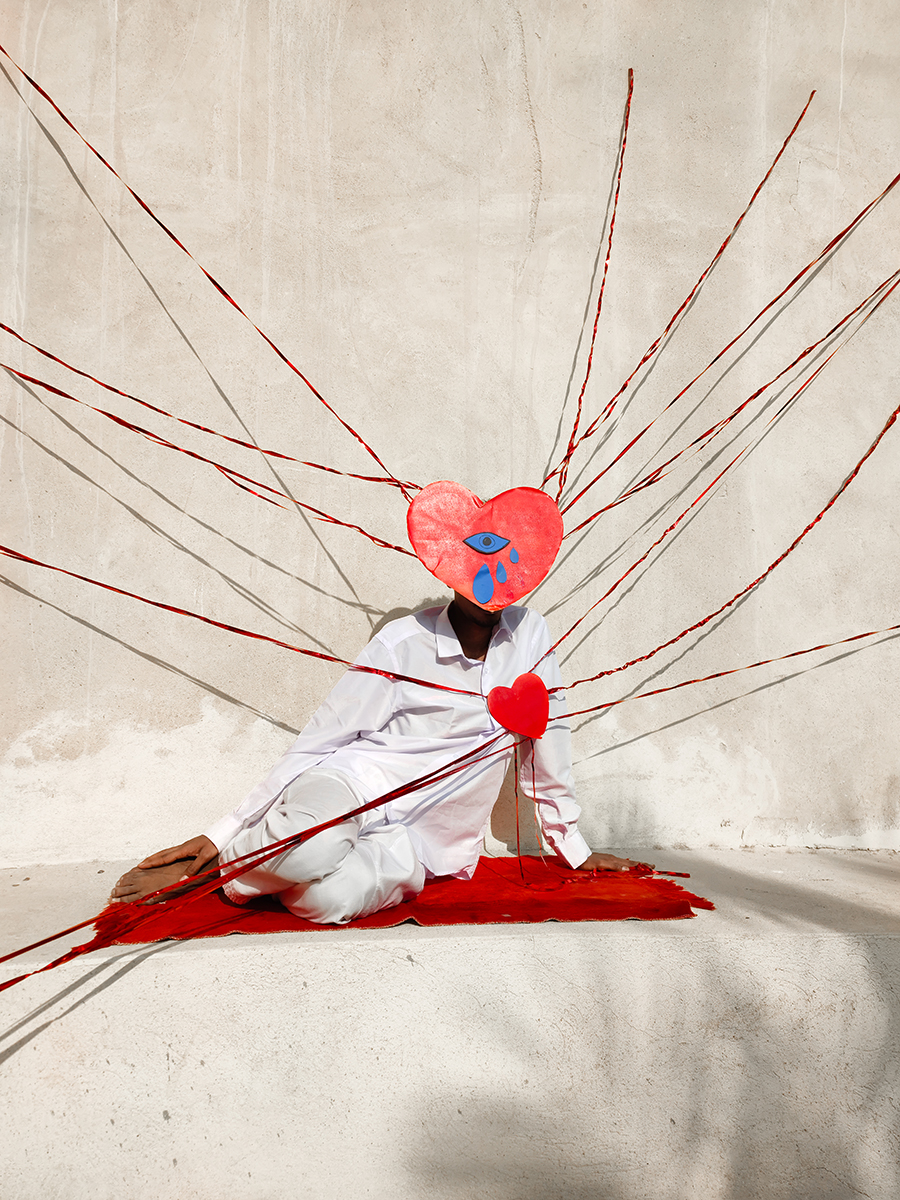
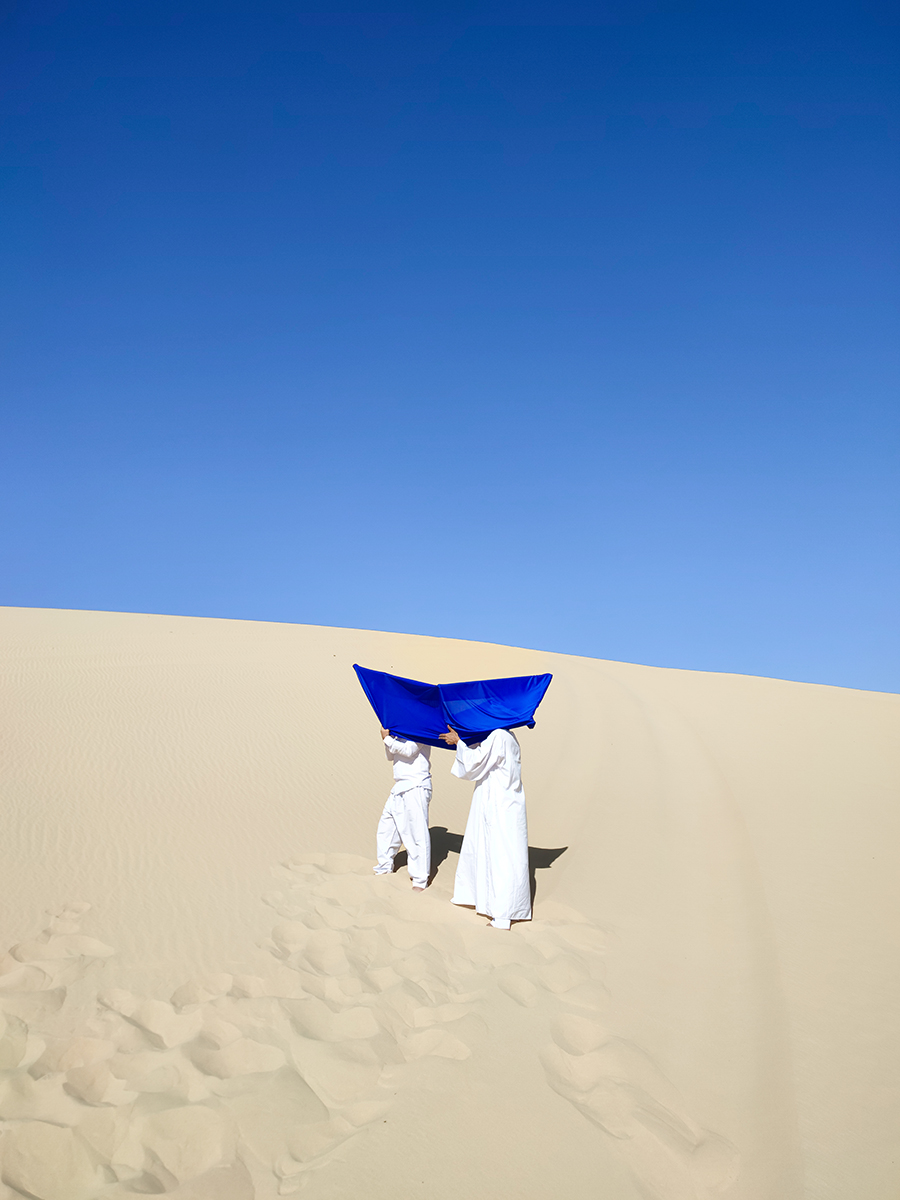
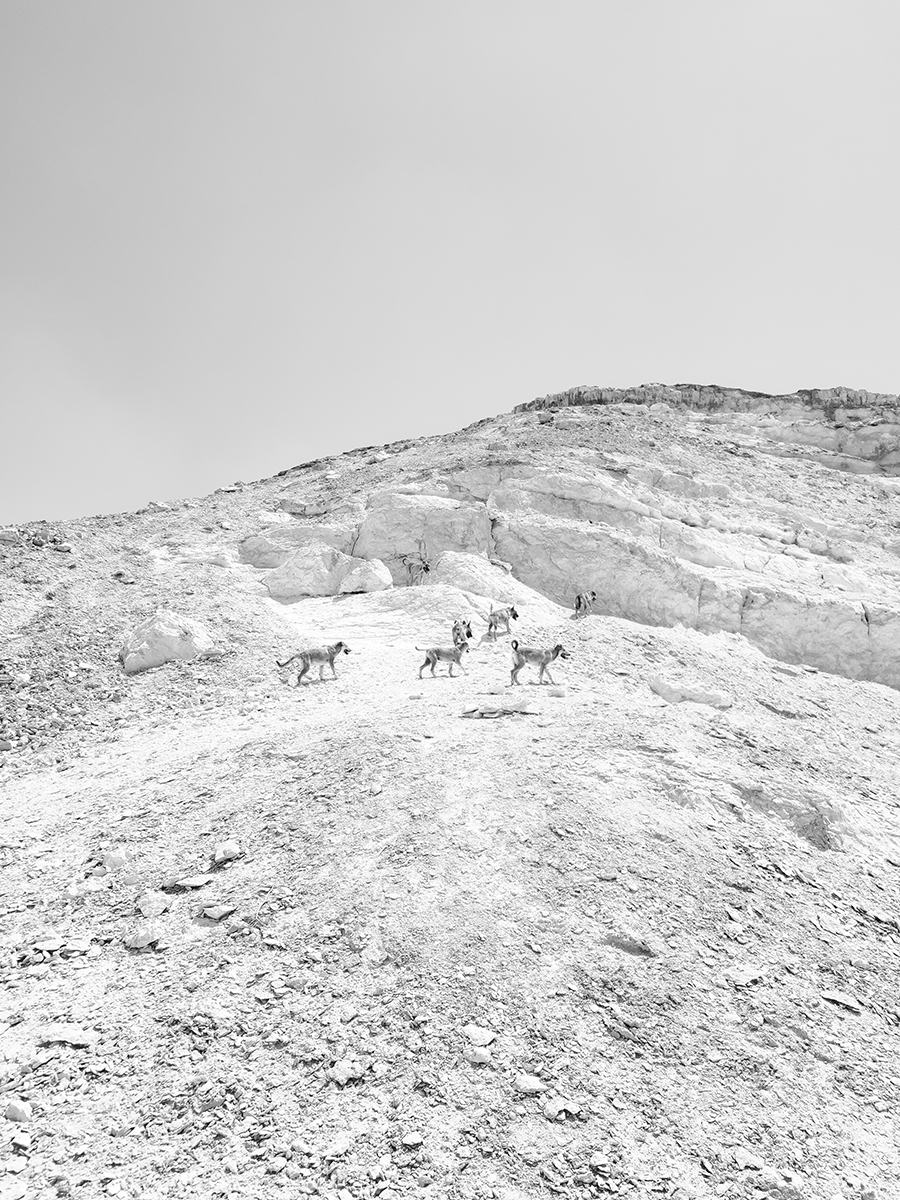
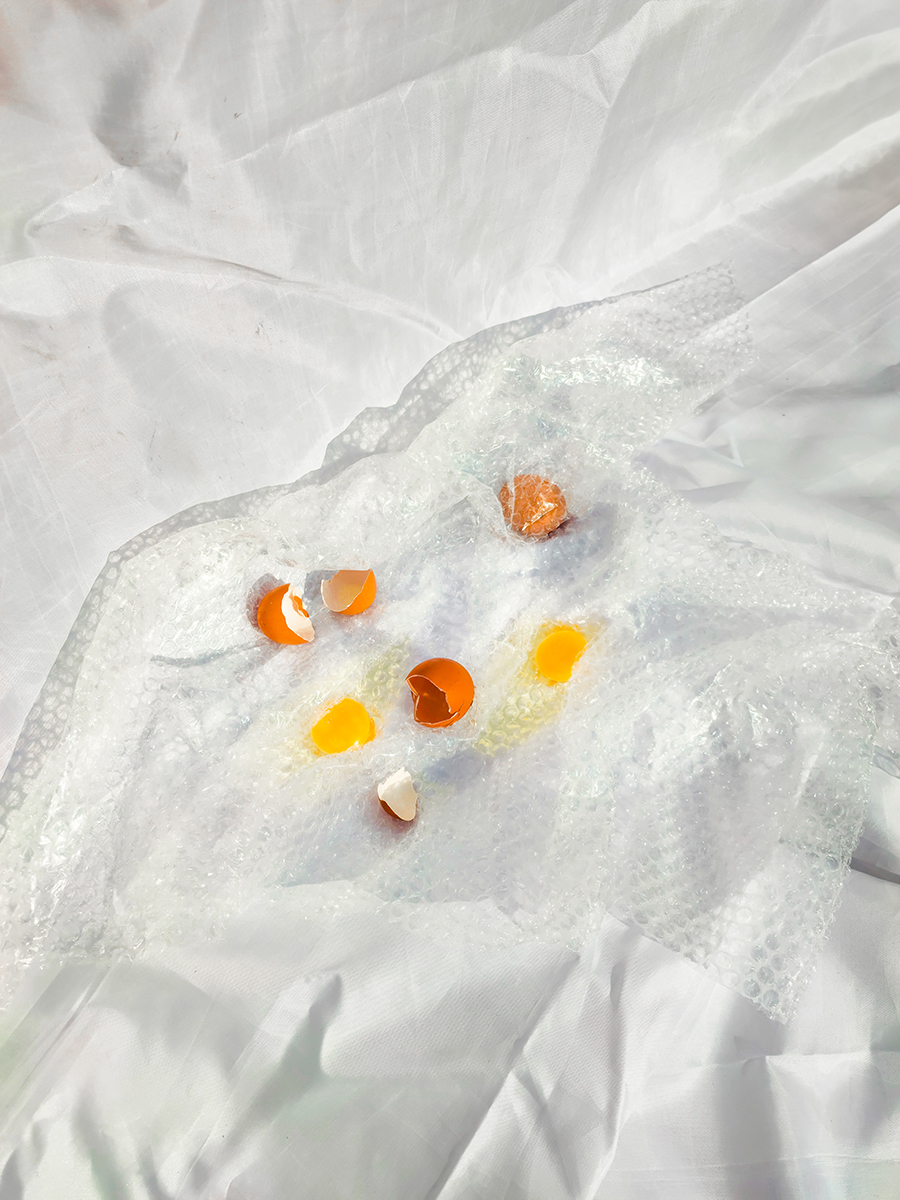
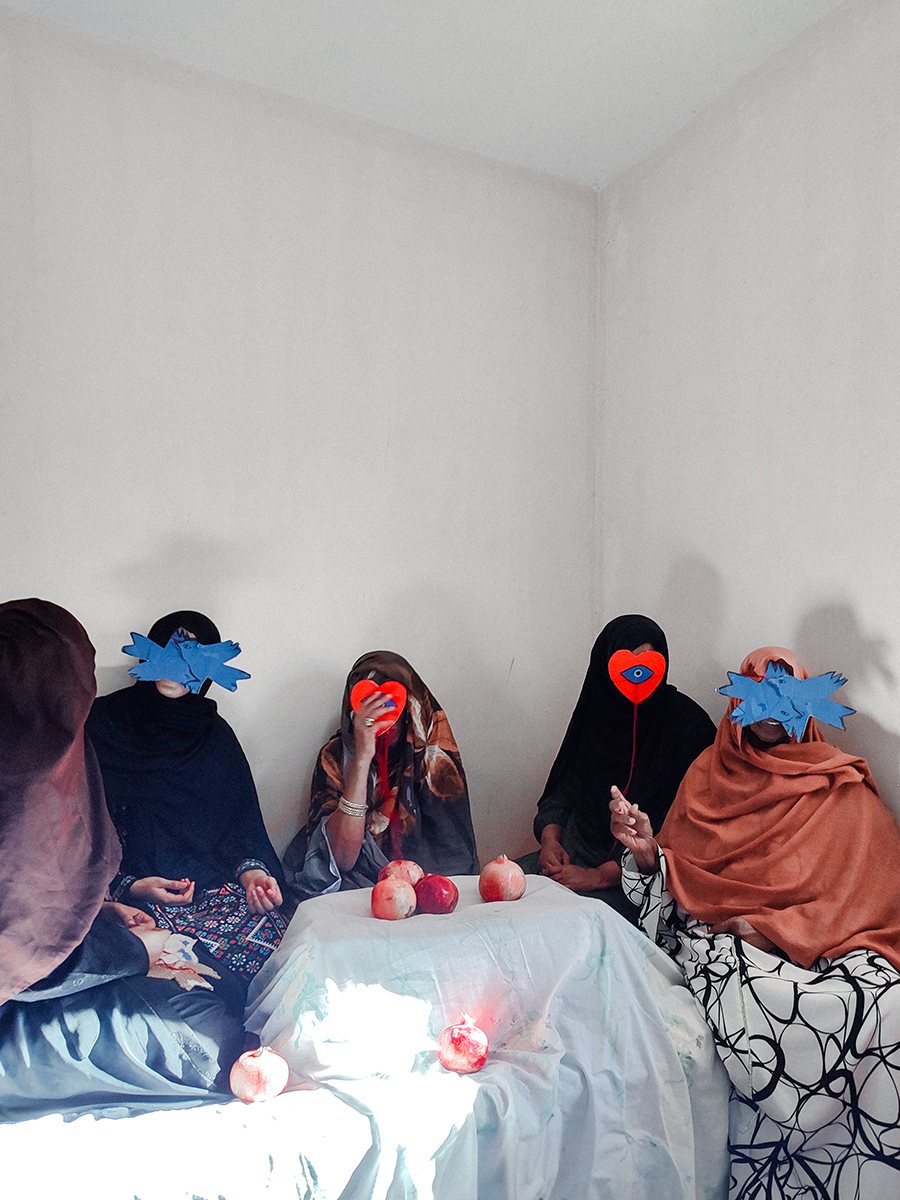
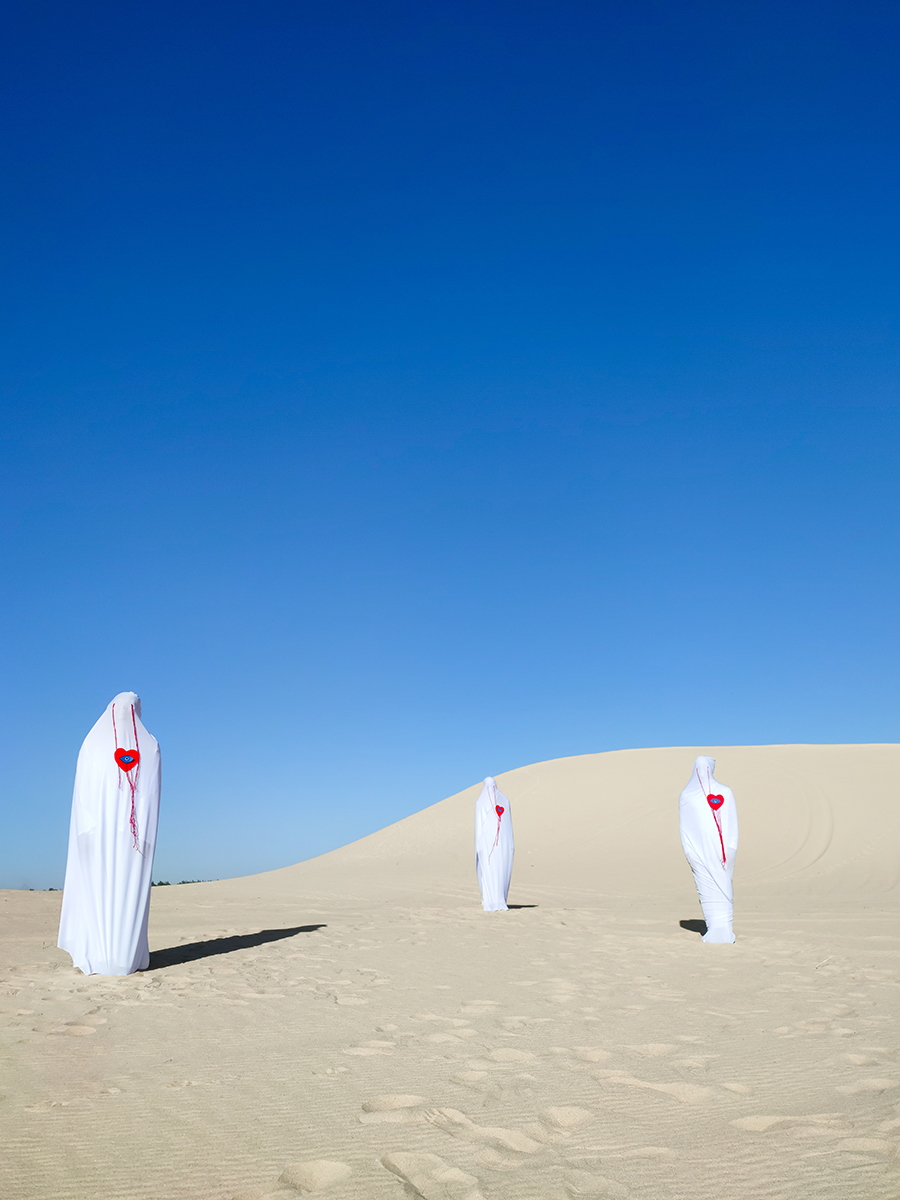
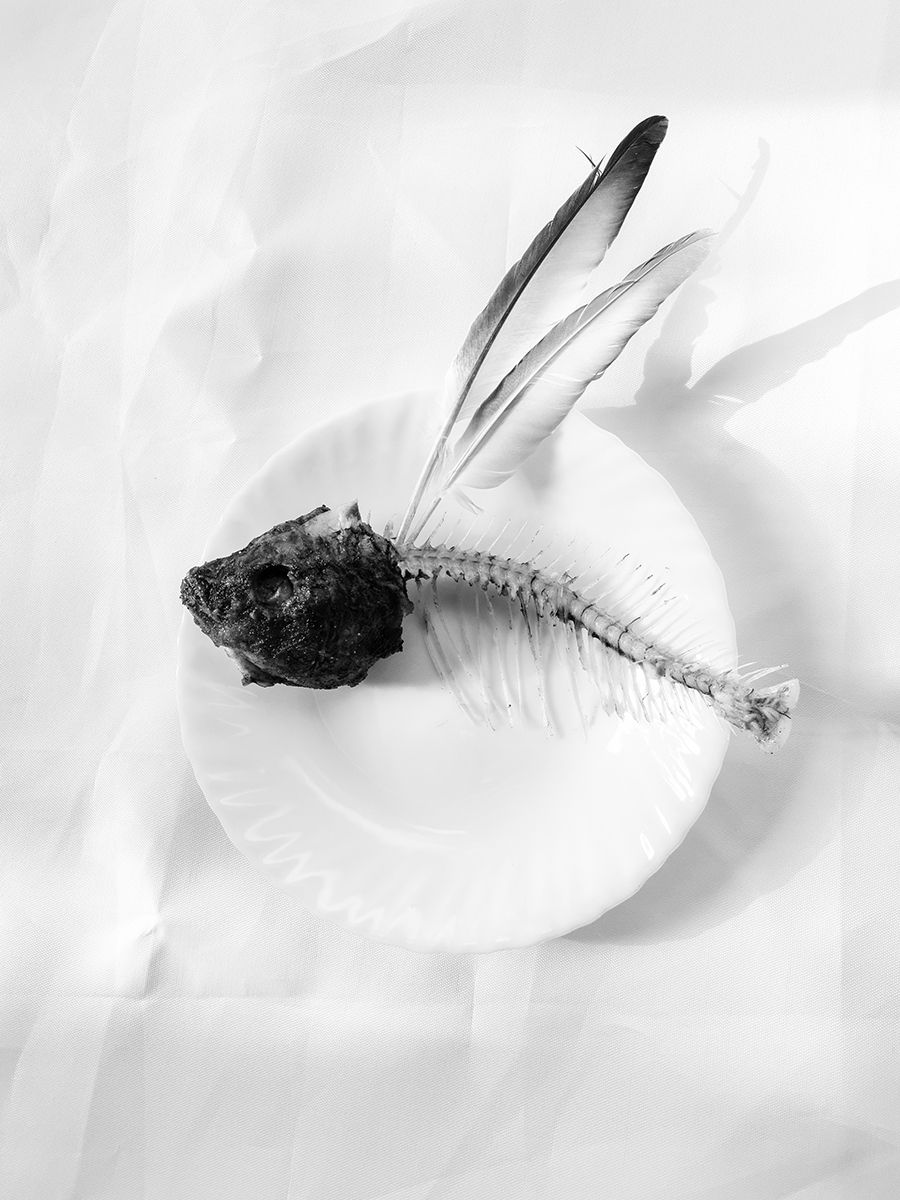
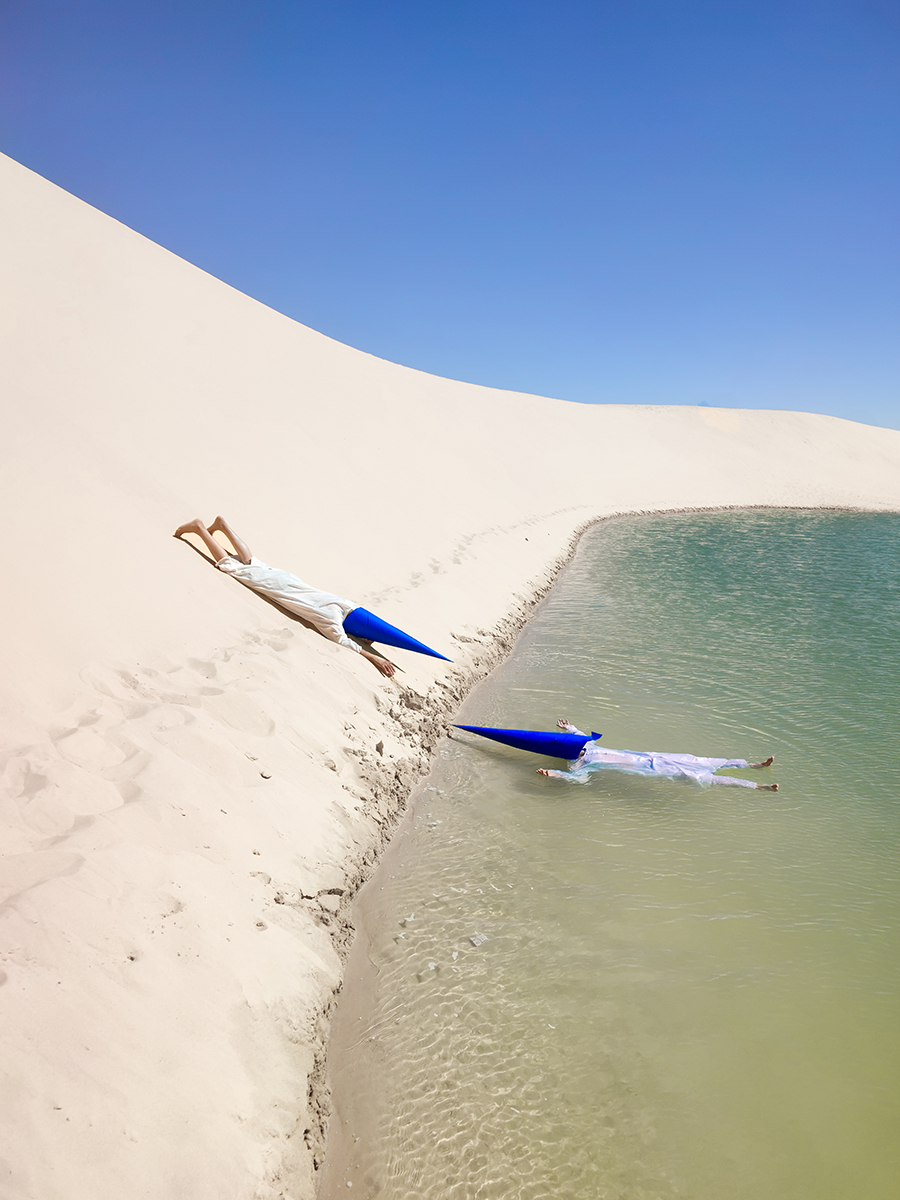
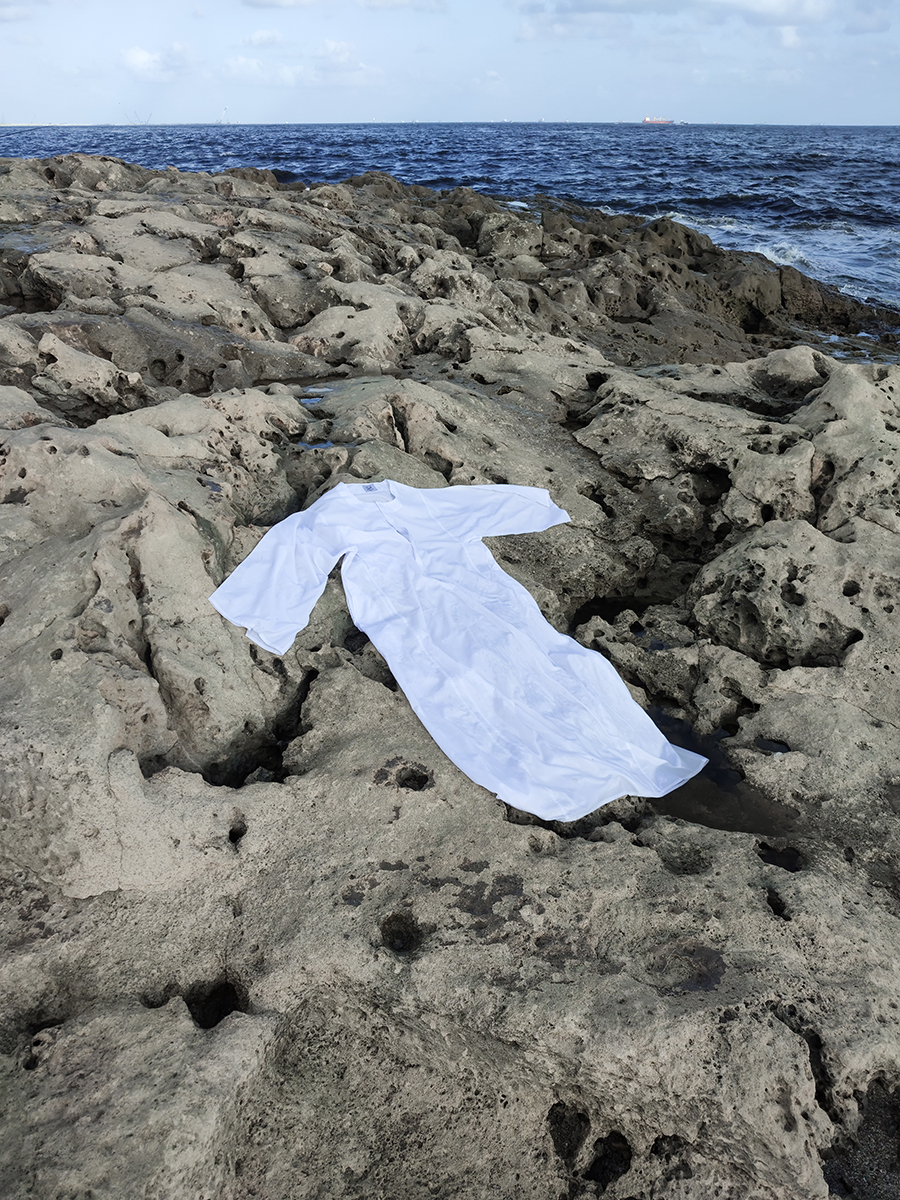
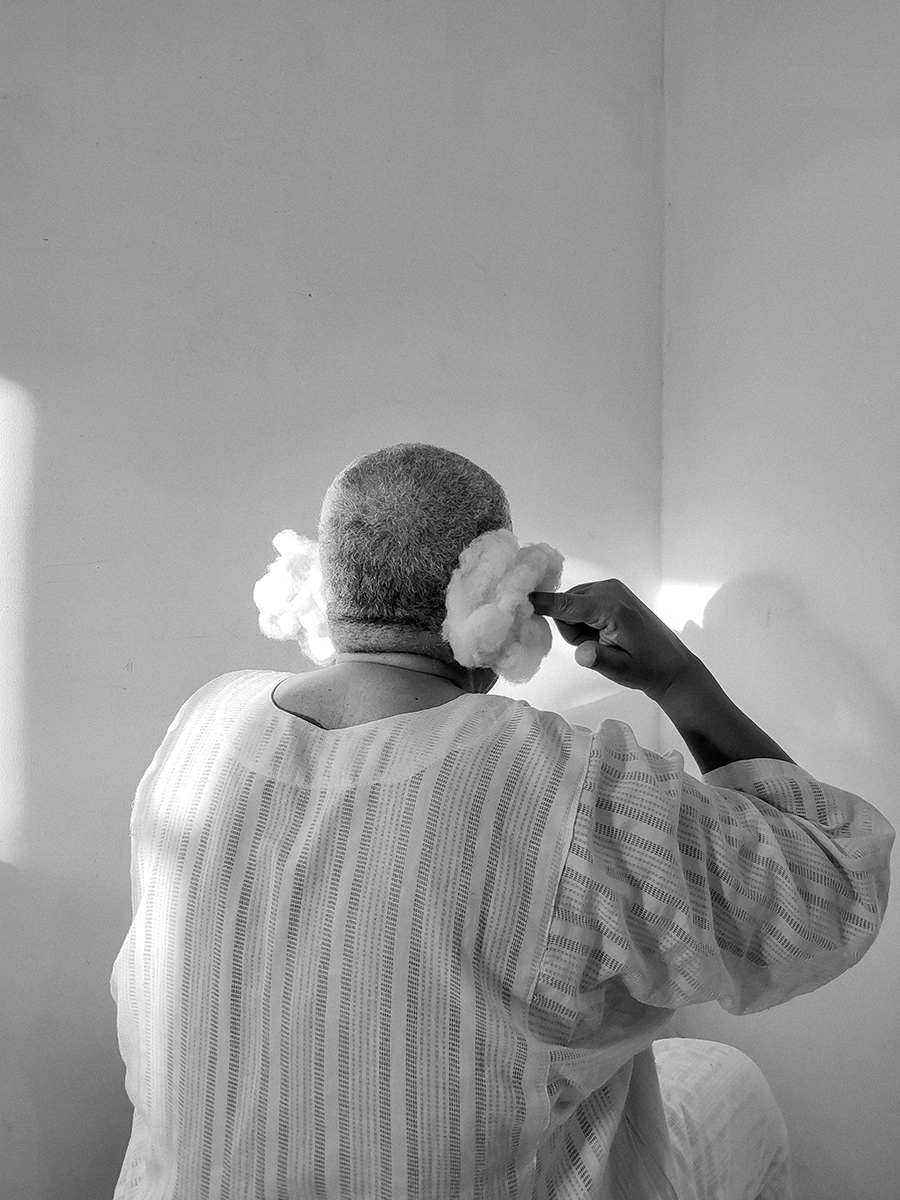
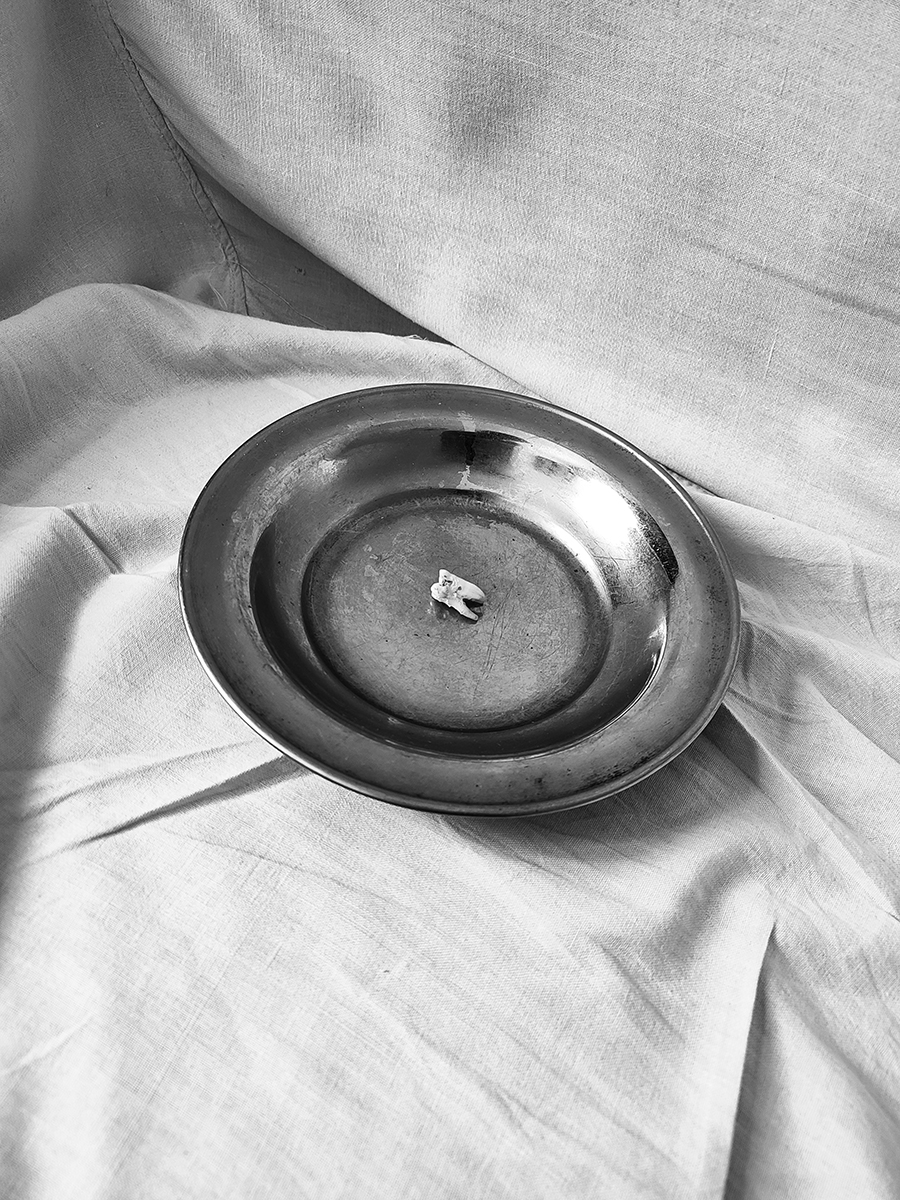
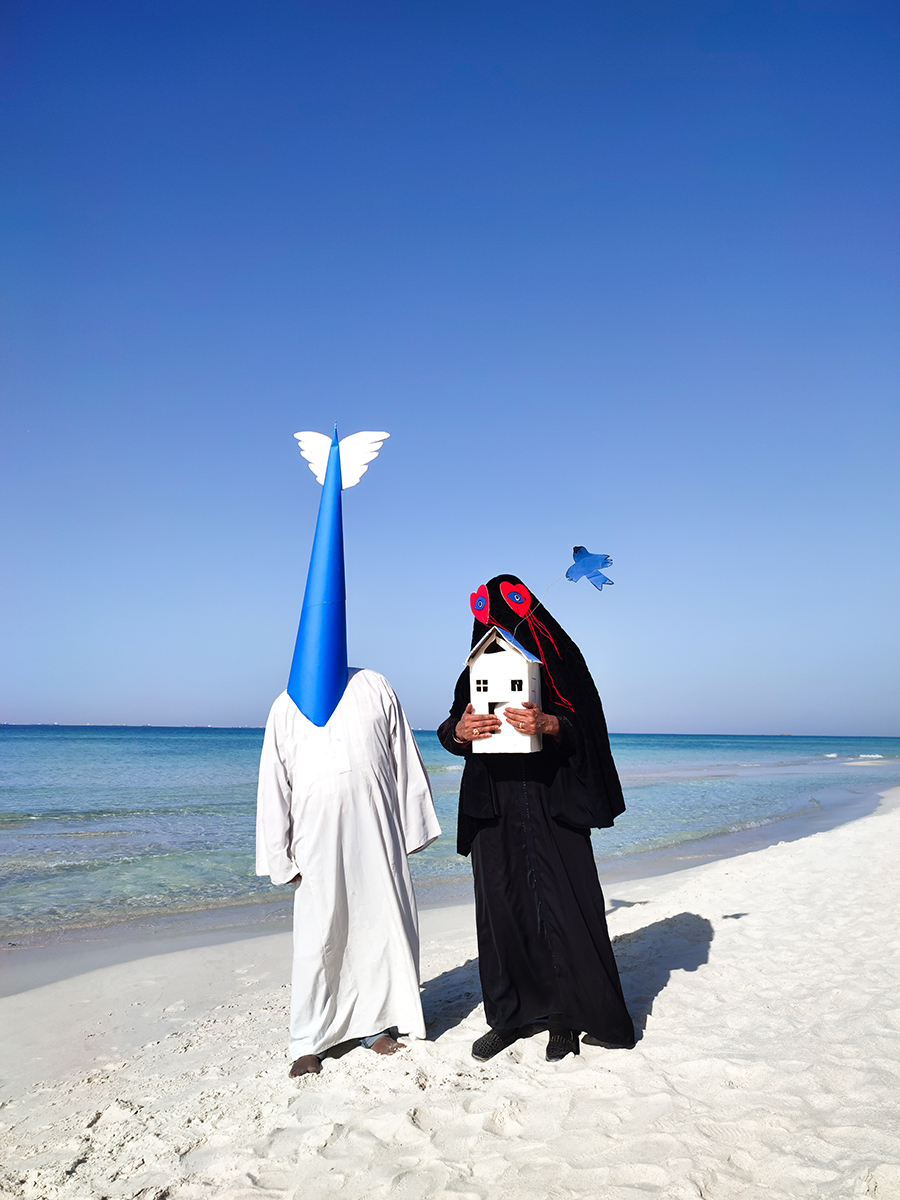
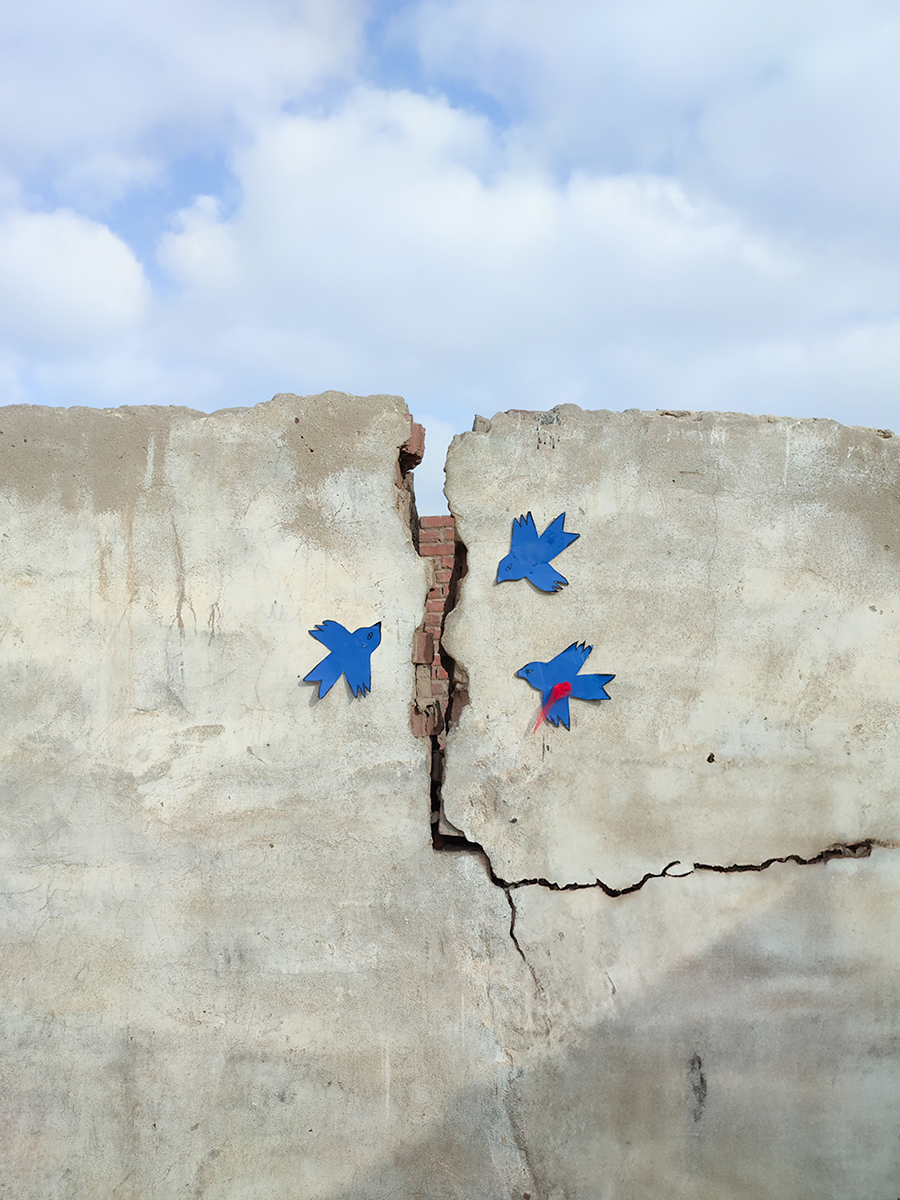
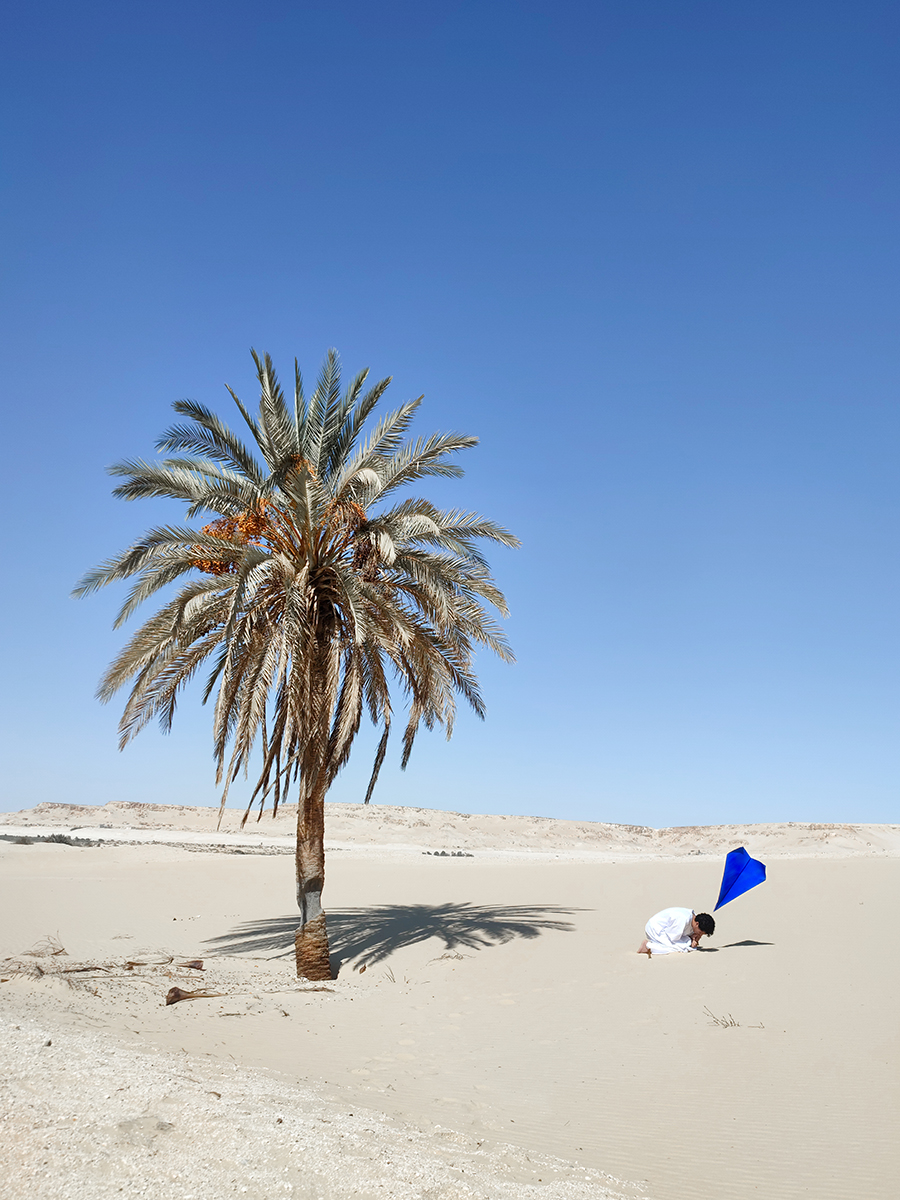
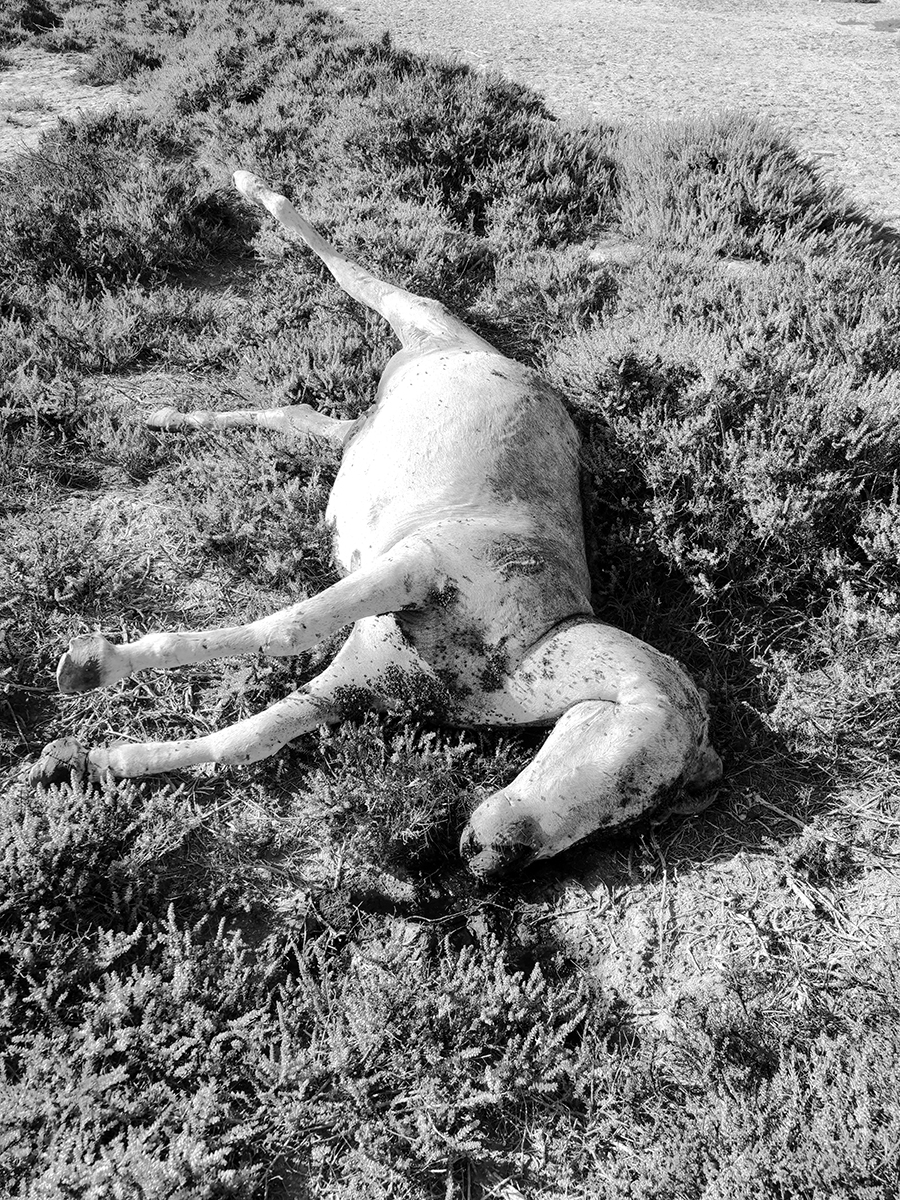
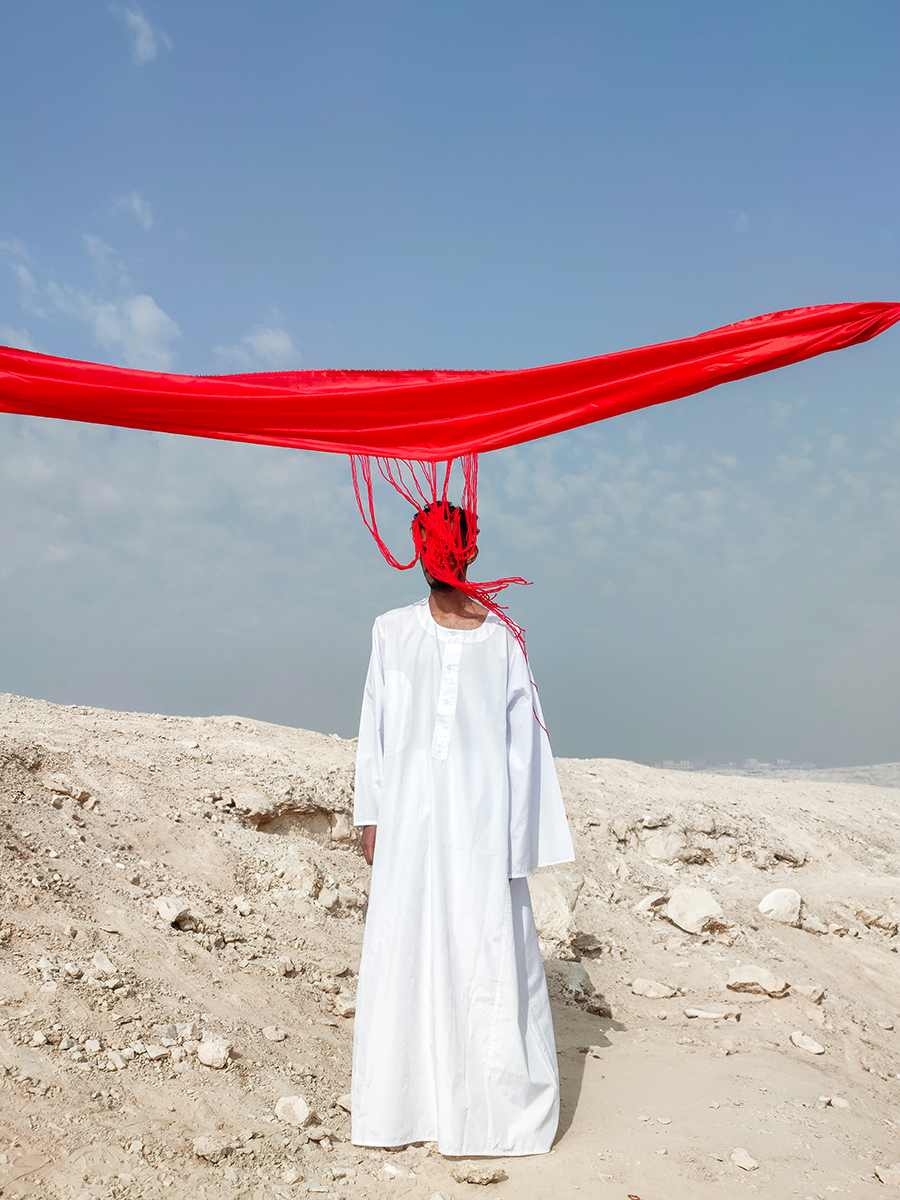
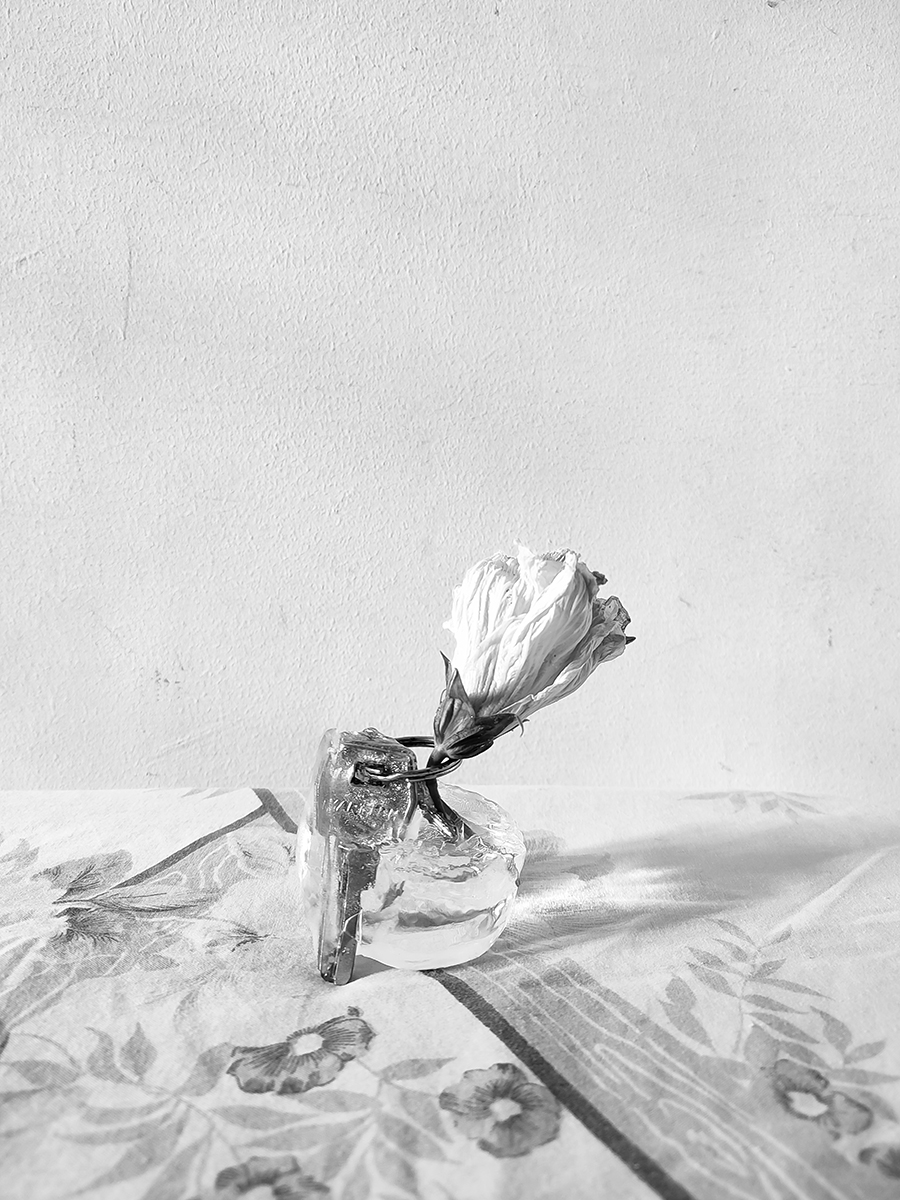
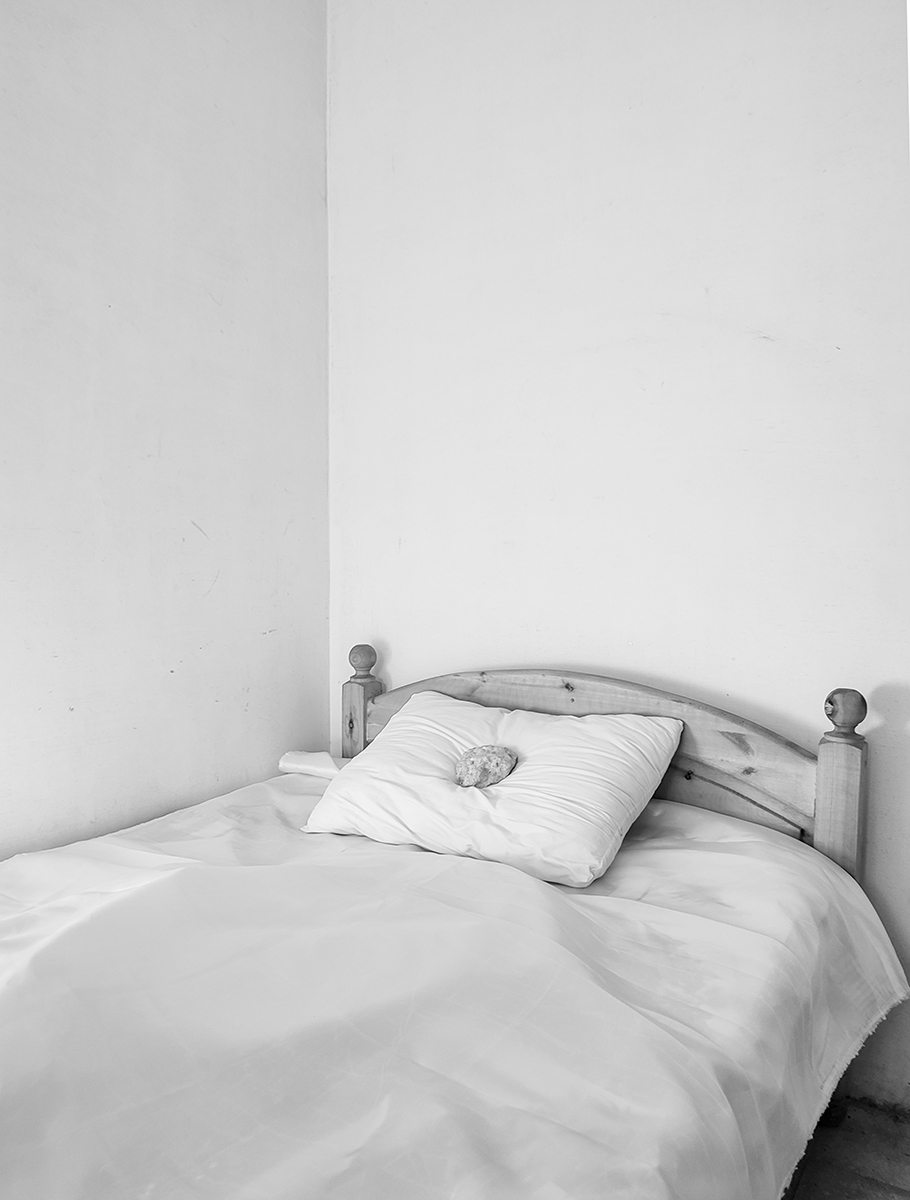
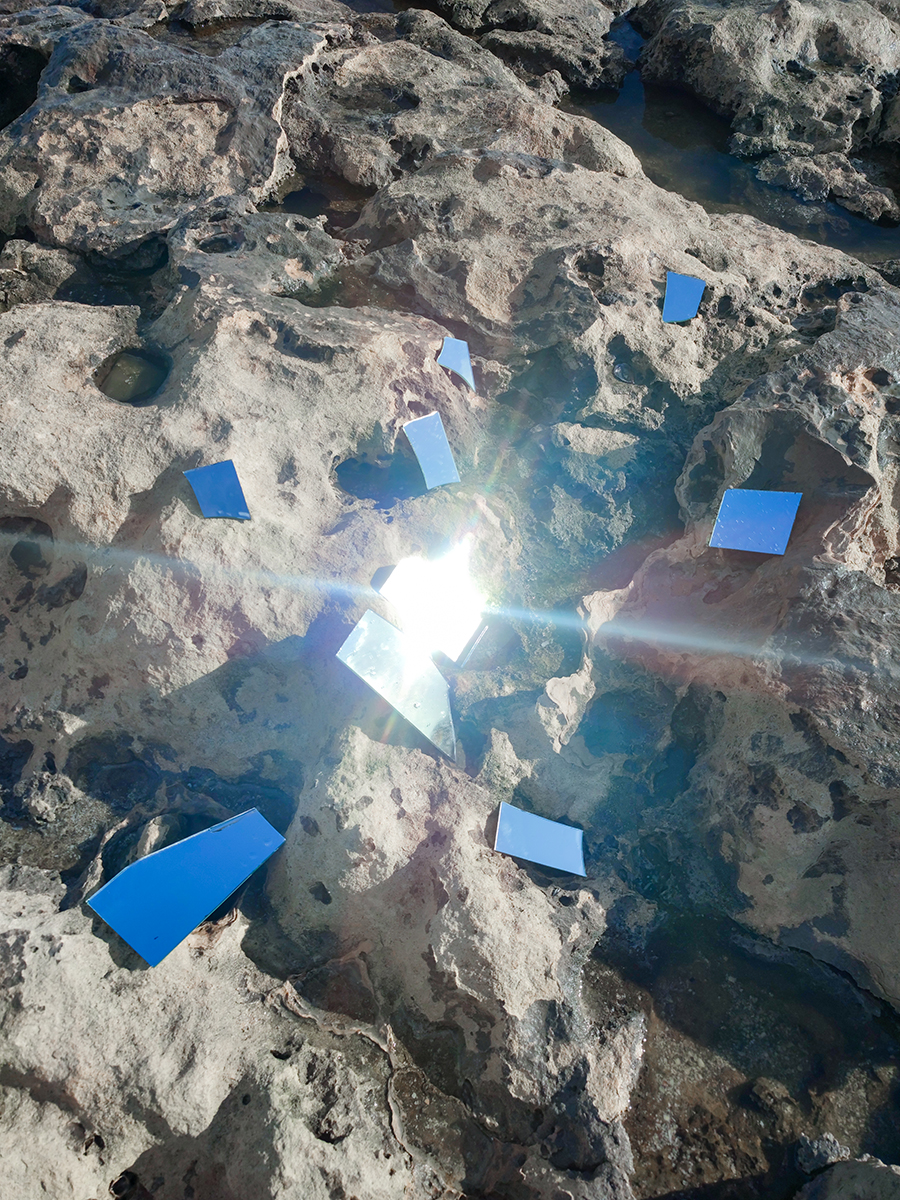
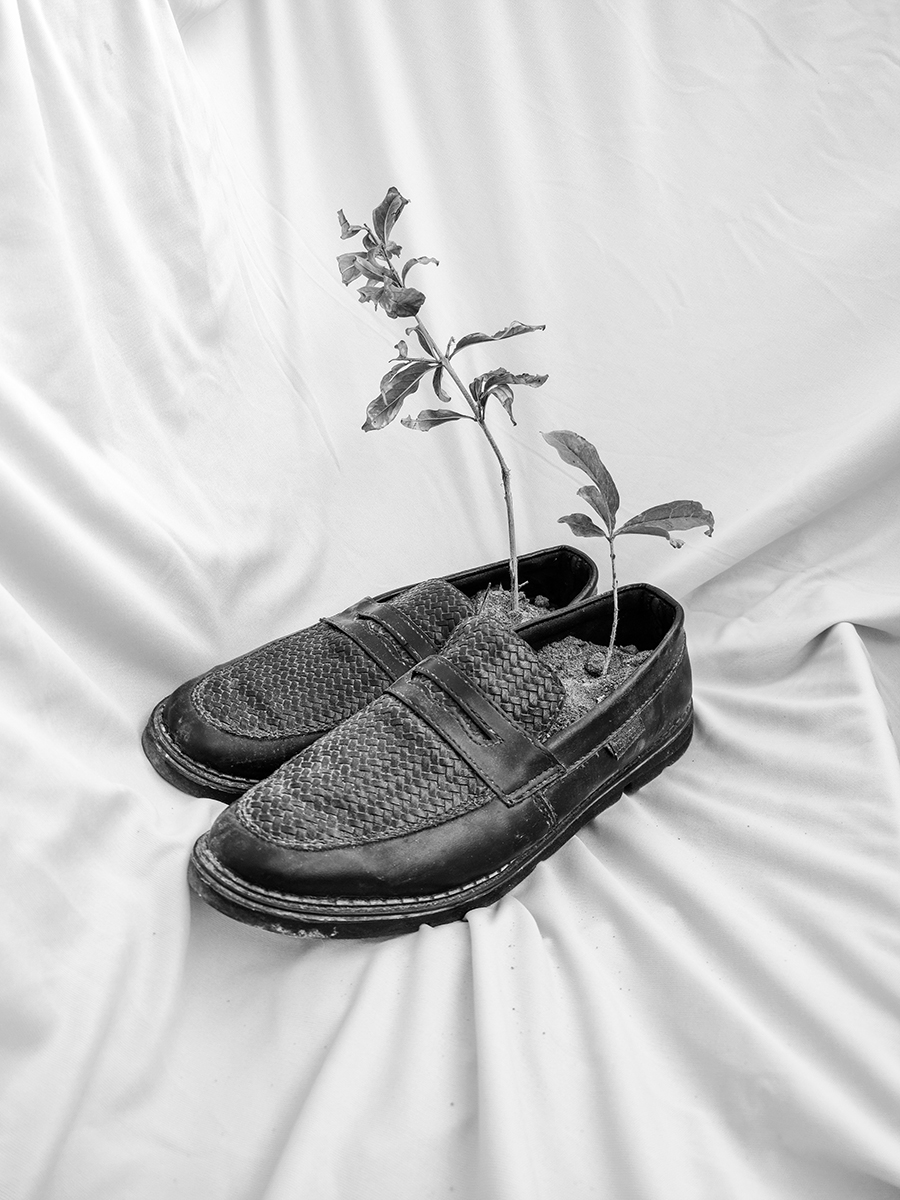
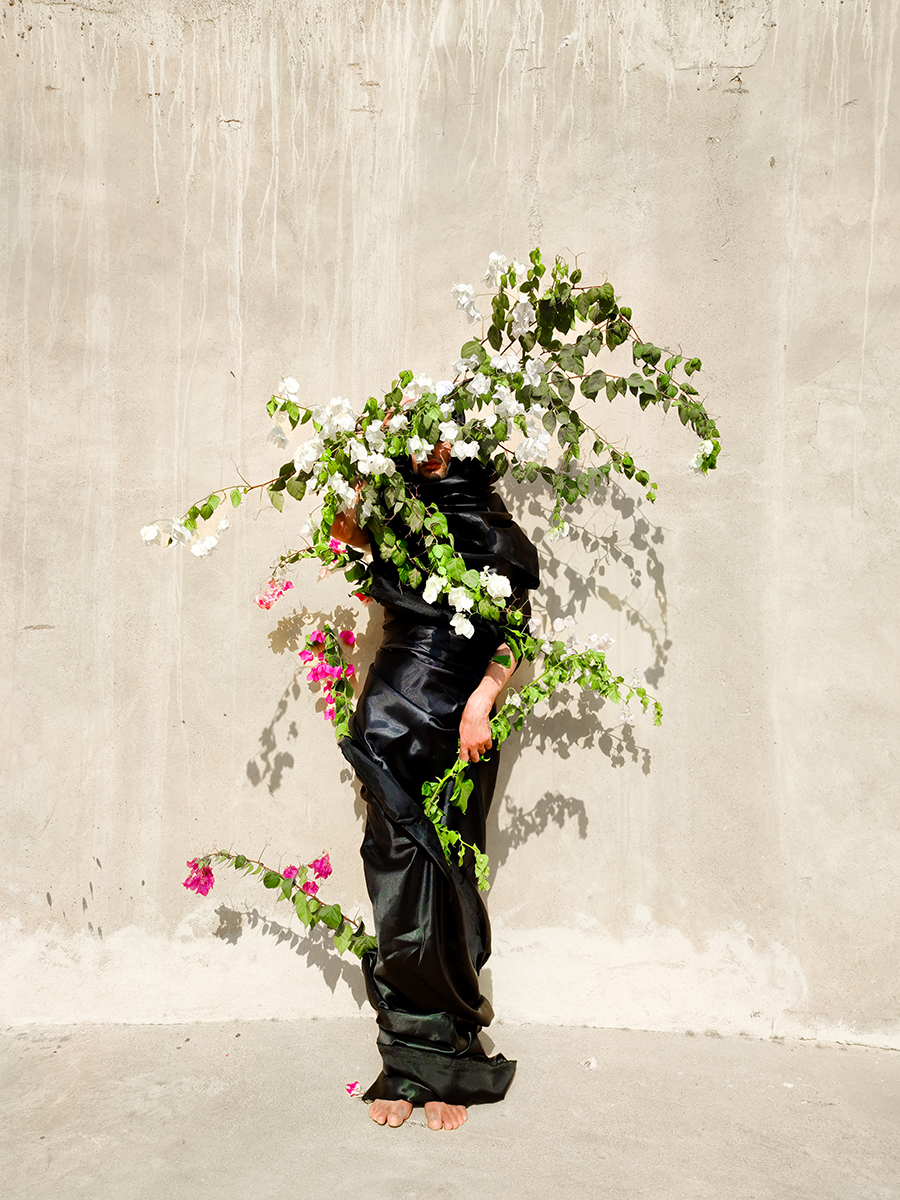
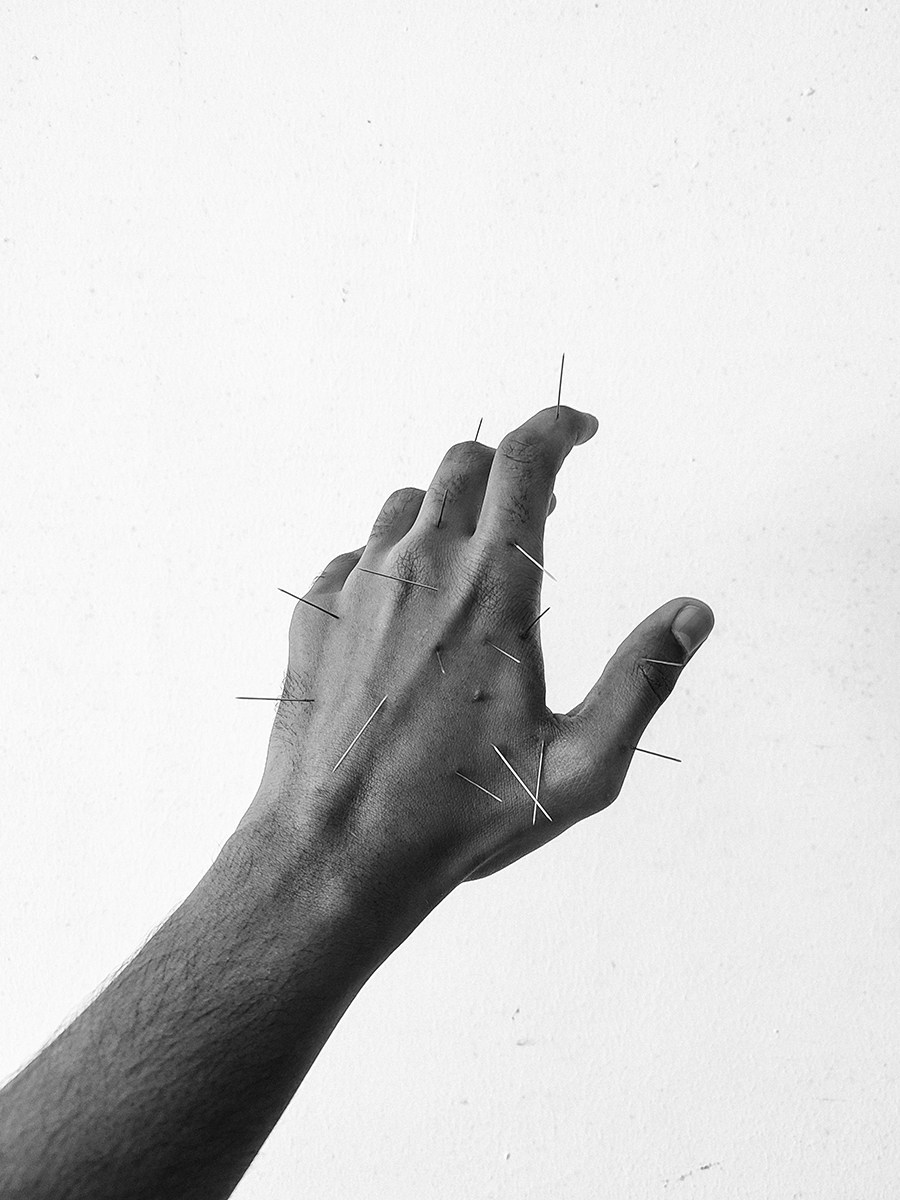
In this project I treat home as a state of being rather than a geographical location, a fragmented psychological space that is rewritten from memory and imagination. The images do not seek to restore what has been lost, but rather to question the possibility of living with this loss.
At its core, this project does not offer direct answers so much as it opens up space for questions about memory, about the place that inhibits us even when we are unable to reclaim it, and about the hope that remains possible even in time of war and the possibility of finding an inner homeland that can not be taken away by displacement.
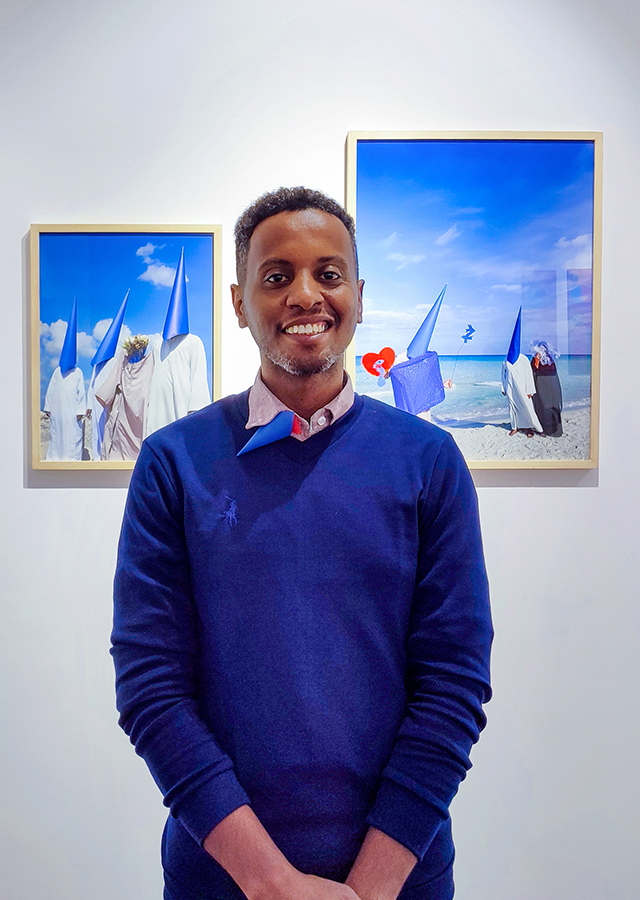
Hashim Nasr is a Sudanese visual artist and photographer based in Alexandria, Egypt. Graduated as a dentist. His conceptual and surreal artistic practice started as an experimental act to explore themes of displacement, memory, and gender identities through staged images and symbolic visual language that reflect emotional and psychological landscapes. He uses minimalist compositions and experimental handcrafted objects to navigate exile, identity, and the search for belonging . His recent projects focus on the experience of war and migration.
His works have been exhibited locally, internationally, and in several publications and virtual exhibitions.
Hashim Nasr is a Sudanese visual artist and photographer based in Alexandria, Egypt. Graduated as a dentist. His conceptual and surreal artistic practice started as an experimental act to explore themes of displacement, memory, and gender identities through staged images and symbolic visual language that reflect emotional and psychological landscapes. He uses minimalist compositions and experimental handcrafted objects to navigate exile, identity, and the search for belonging . His recent projects focus on the experience of war and migration.
His works have been exhibited locally, internationally, and in several publications and virtual exhibitions.